
Would You Know What To Do In the Event You Have a Driving Emergency?
ISU Insurance Solutions Group discusses the four common driving emergencies and how to work through them.
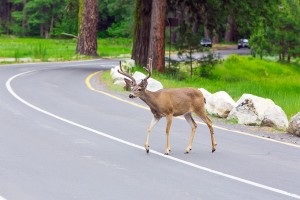 Driving hazards present themselves daily and can occur year-round in every state. But, would you know what to do in the event a driving hazard presented itself?
Wildlife: Hitting a deer in the roadway can be a traumatic experience, but it could also be deadly. The U.S. Dept. of Agriculture cites as many as 2 million collisions with animals occur each year in the U.S. Prepare by following these steps:
- Stay alert: if you are driving in rural areas, be aware that wildlife is always nearby and keep a lookout towards the sides of the road.
- Don’t swerve: Swerving cannot only results in a worse injury and more severe accident, but your insurance company might find you at fault if you swerve to miss a deer and end up hitting a tree or guard rail. Keep your car pointed forward and hit the brakes!
- Be more aware at night: Animals can become more active in the evenings and some travel in groups. If you see one, chances are there are more nearby. If there are two lanes, drive in the lane farthest away from the side of the road.
Blown Tires: A blown tire can be a startling experience, but knowing what to do in the event you have one can save you from an accident. Keep these things in mind:
- Don’t slam on the brakes: Slamming on the brakes with a blown tire will only make matters worse because it will cause your vehicle to pull hard in the direction of the flat. Slowly pull to the side of the roadway, as far away from traffic as possible.
- Work to maintain your steering: If a front tire blows, it can really cause the vehicle to pull. Do your best not to overreact to the sudden jolt and swerve the other way. This could cause your vehicle to lose control.
- Place your blown tire and wheel under the car slightly when changing your tire: So many injuries occur when a jack is improperly used. Placing your tire under the car can save you from being crushed if a jack fails.
Bugs in the Car: We’ve all experienced the spider in the car!
- Pull over: While a spider or bee in the vehicle can be alarming, you have to remember – it is probably more afraid of you than you are of it! Carefully pull over to the side of the road and let your unwanted passenger out.
- Don’t let it take your eyes off the road: It can be tempting to try to swat at the insect or arachnid while driving, but don’t. It will only increase the chances of causing a more serious crash.
Black Ice: It is getting to that time of year when black ice can occur on roadways. If your vehicle begins to slide on ice, it is important to understand what to do:
- Let off the gas: Many vehicle have stability control and will work to auto-correct the problem. Stop accelerating and let your car recover.
- Let off the brake: Applying the brakes on ice can unfortunately make matters worse. Never slam the brakes on, but gently apply them.
- Drive slowly: if you notice the temperature beginning to plunge, drive more slowly. Less accidents occur when drivers keep the speeds under 45 MPH during icy conditions.
While we can’t always be in the car with you to avoid hazards, we can help you with your auto and home insurance questions.
If you have questions about your home, auto or commercial insurance, call the insurance agents at ISU Insurance Solutions Group. Their office in Woodinville, WA is here to serve you. They have years of insurance experience and can help you insure everything from your home to your auto or business insurance. They live where you do and are an independent insurance agent, so they can help you find the right company to fit your needs. You can also check out their website, 24/7.
 This week represents National Teen Driver Safety Week. According to National Highway Traffic Safety Administration, the leading cause of death of teenagers from 15-19 years old in the United States is auto accidents. In order to decrease these numbers, it’s important for parents to sit down with their children to discuss the dangers of driving.
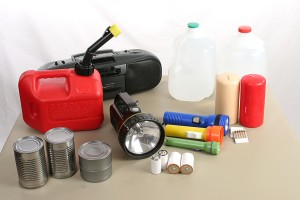 Fall is a great time to consider disaster preparedness and to take a look at your family’s emergency kit. While disasters can happen anywhere, whether natural or man-made, it is important that your family be prepared.