
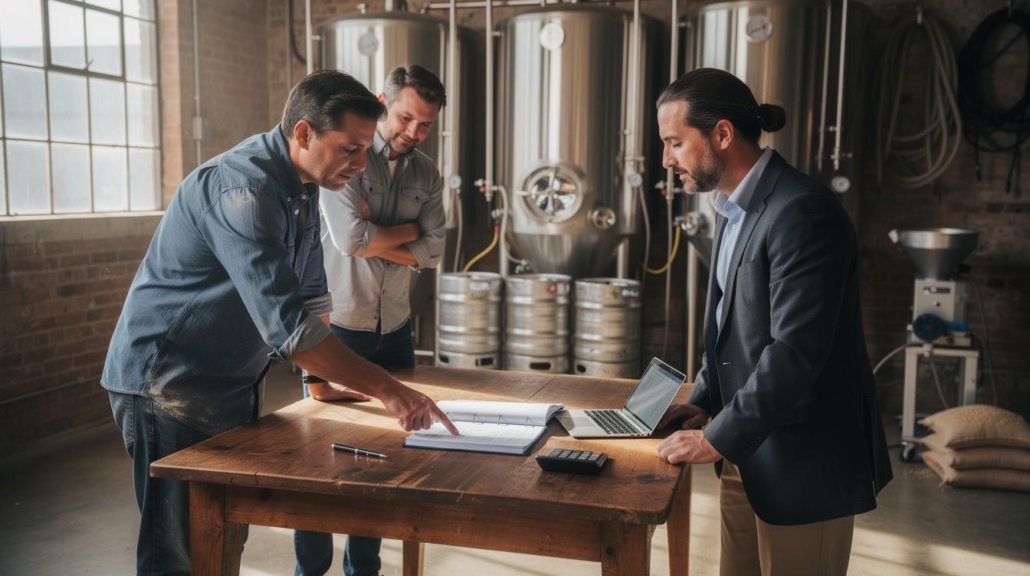
Brewery Insurance for Startups: Building a Safe Foundation
Starting a brewery means navigating complex insurance requirements that most general business policies simply don’t cover. Brewery insurance for startups protects you from equipment failures, product liability, and liquor-specific risks that can shut down operations overnight.
At ISU Insurance Solutions Group, we’ve helped dozens of brewery owners in Washington and Oregon build insurance foundations that actually match their operations. This guide walks you through the coverage types you need and the risks you can’t afford to ignore.
What Coverage Do Breweries Actually Need
The Coverage Gaps That Catch Owners Off Guard
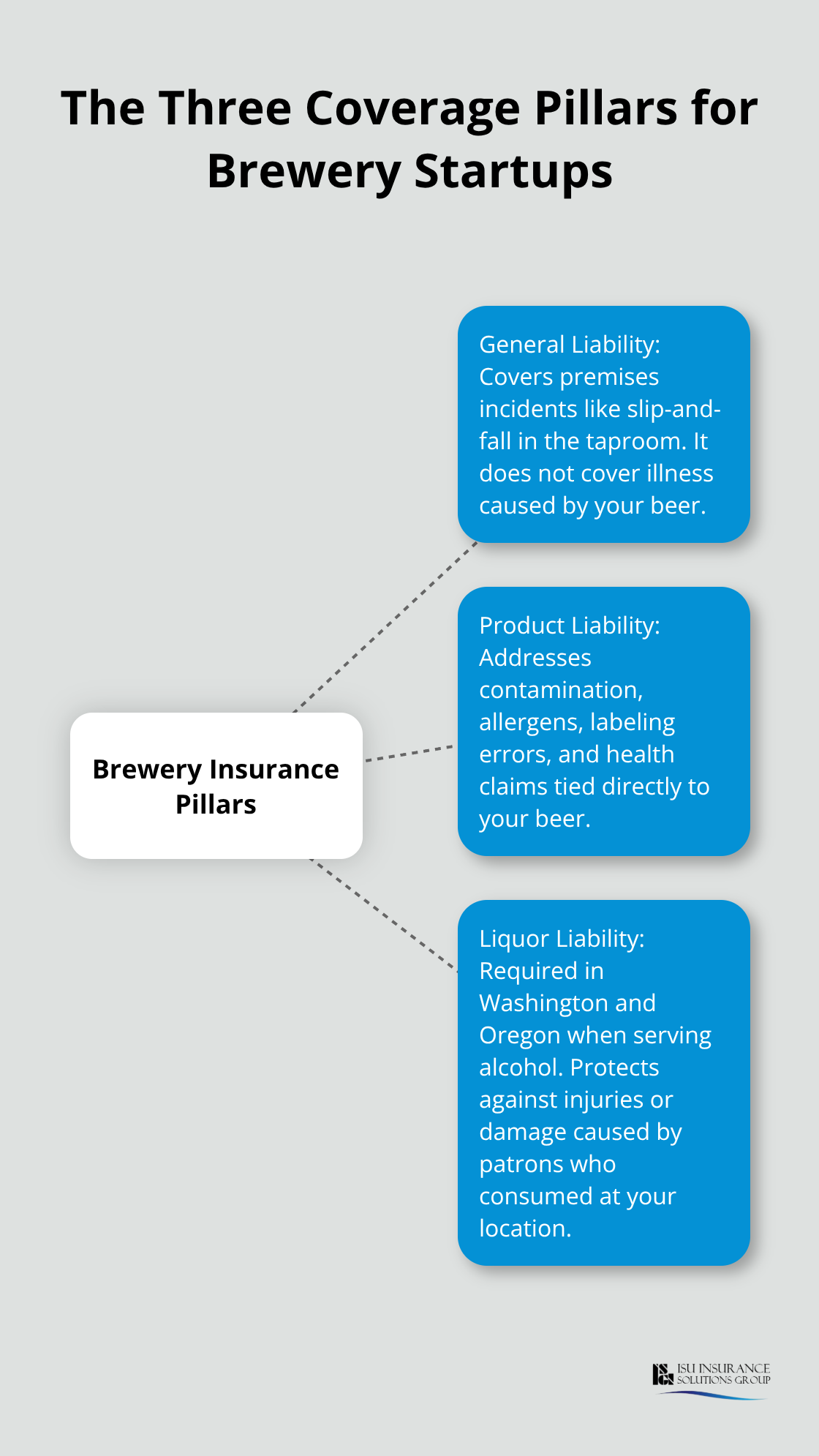
Brewery startups face insurance gaps that catch most owners off guard. General liability covers slip-and-fall incidents in your taproom, but it won’t pay for a batch of beer that makes customers sick or equipment that fails mid-fermentation. Product liability specifically covers contamination, allergen issues, and health claims tied to your beer-something standard business policies exclude entirely. Property insurance protects your building and equipment, but breweries need higher limits because fermentation tanks, kegging lines, and refrigeration systems represent substantial capital.
Liquor Liability and State Requirements
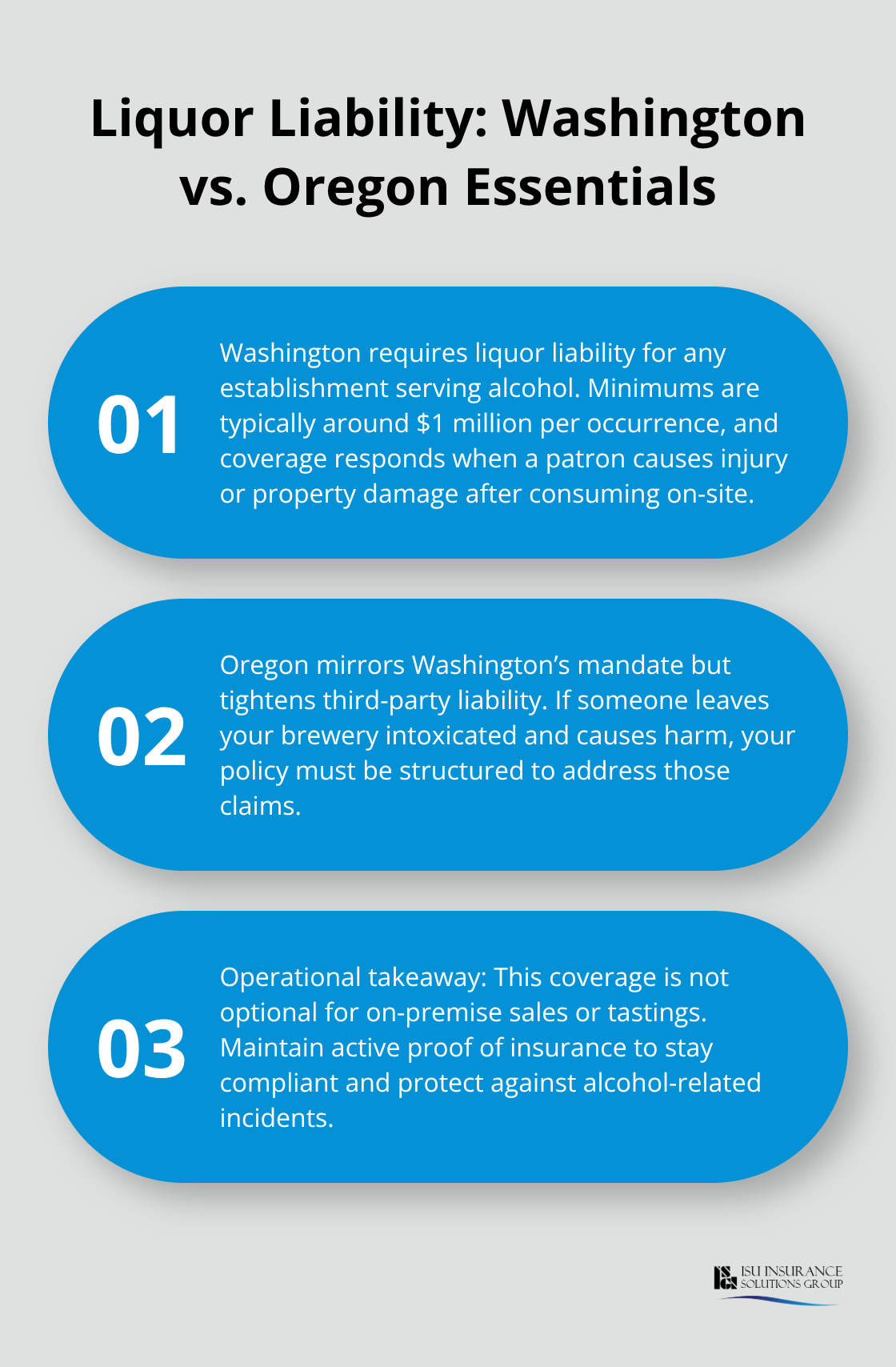
Liquor liability, often called dram shop coverage in Washington and Oregon, covers injuries or property damage caused by someone who consumed alcohol at your location. This isn’t optional in either state; it’s a legal requirement if you sell beer on-premise or allow tastings. Washington requires liquor liability for any establishment serving alcohol, with minimum coverage typically around $1 million per occurrence. Oregon has similar mandates but adds stricter requirements around third-party liability if someone leaves your brewery intoxicated and causes harm.
Workers’ Compensation and Equipment Protection
Workers’ compensation is mandatory in both states once you hire your first employee, covering medical costs and lost wages from workplace injuries. Equipment breakdown coverage covers the cost of repairing or replacing brewing equipment when mechanical and electrical failures occur, plus business interruption losses while you’re offline. A single compressor failure or refrigeration breakdown can cost $10,000 to $50,000 in repairs plus lost production, making this coverage essential for cash flow protection.
Why Standard Policies Fall Short
Standard commercial policies treat breweries as generic manufacturing operations, which means underwriters apply cookie-cutter limits and exclusions. They may cap product liability at $500,000 when your actual exposure is higher, or they may exclude fermentation equipment altogether because they don’t understand brewery operations. Washington and Oregon both require breweries to carry liquor liability before obtaining a state license to sell, so you can’t legally operate without it. Oregon also mandates that breweries maintain proof of insurance and report any claims within 10 days, creating administrative obligations that generic policies don’t address.
Planning for Distribution and Cost Inflation
If you plan to distribute beer beyond your facility, you’ll need commercial auto coverage for delivery vehicles and additional liability layers if third parties handle distribution. Tariff volatility adds another layer-the weighted applied tariff rate is forecast to reach 11.8 percent by 2026 according to the Tax Foundation, which means imported brewing equipment and ingredients face significant cost pressure. This affects your equipment replacement costs and inventory values, so your property and equipment coverage limits need to account for potential price inflation. An independent agency that knows Pacific Northwest brewery operations ensures you’re not overpaying for coverage you don’t need while leaving dangerous gaps in areas where claims actually happen-and that’s where the specific risks of equipment failures and employee injuries become your next critical focus.
The Three Coverage Pillars Every Brewery Startup Needs
General Liability and Product Liability: Where Coverage Actually Matters
General liability protects your taproom operations, but it stops at your taproom door. Product liability is where most brewery owners discover their coverage fails them. When a customer reports an allergic reaction to your IPA or claims your beer caused illness, general liability won’t pay a dime. Product liability covers contamination, allergen issues, labeling failures, and health claims tied directly to your beer. You need minimum coverage of $1 million per occurrence, but if you distribute beyond your facility, try $2 million instead.
The difference in premium is minimal-typically $300 to $500 annually-but the protection gap between them can cost you everything.
Property Insurance and Equipment Replacement Costs
Property insurance for brewing equipment requires honest conversations about replacement cost, not just current market value. Your fermentation tanks, kegging lines, glycol chillers, and canning equipment represent $150,000 to $500,000 in capital depending on your production scale. Standard property policies cap coverage at actual cash value, meaning a $30,000 fermentation tank depreciates to $15,000 on paper, and that’s all you’ll recover if it fails. Replacement cost coverage adds roughly 15 to 20 percent to your premium but pays you what it actually costs to replace equipment today.
Equipment Breakdown Coverage and Business Interruption Protection
Equipment breakdown coverage stands separate from property insurance and covers the repair or replacement of brewing systems when mechanical or electrical failures occur, plus business interruption losses while you’re offline. A compressor failure or refrigeration breakdown costs $10,000 to $50,000 in repairs plus lost production revenue, making this coverage non-negotiable for cash flow survival. Many brewery owners skip this coverage to save $1,200 annually, then face $40,000 in losses when a glycol chiller fails during peak fermentation season.
Liquor Liability: Legal Mandate and Operational Reality
Liquor liability and dram shop coverage are legal requirements in Washington and Oregon, not optional add-ons. Washington mandates liquor liability for any establishment serving alcohol, with minimums typically around $1 million per occurrence. Oregon enforces similar requirements but adds stricter third-party liability rules if someone leaves your brewery intoxicated and causes injury or property damage. Both states require you to maintain proof of insurance before obtaining a state license to sell beer, and Oregon specifically mandates claims reporting within 10 days. This coverage protects you when a customer consumes beer at your location and causes harm to themselves or others. The premium for $1 million liquor liability coverage runs $600 to $1,200 annually for a startup taproom, depending on your seating capacity and service model.
Distribution Models and Additional Liability Layers
If you plan to distribute beer to bars and restaurants, you’ll need additional liability layers because third-party retailers create exposure you don’t control. An independent agency with Pacific Northwest brewery expertise structures coverage that matches your specific distribution model, whether you operate taproom-only or expand into wholesale channels. The key is addressing this before you open, not scrambling after your state license application stalls because your insurance documentation doesn’t meet Oregon’s or Washington’s requirements. Your distribution strategy directly shapes which coverage gaps matter most-and that’s where workers’ compensation and employee safety risks become your next critical consideration.
What Really Breaks Breweries
Equipment Failures Cost More Than You Think
Equipment failures represent the single largest financial threat to brewery startups, and most owners underestimate the cost and timeline of downtime. A glycol chiller failure during peak fermentation season doesn’t just mean a $15,000 repair bill-it means losing an entire batch worth $5,000 to $20,000 in ingredients and labor, plus revenue from delayed product shipments. Compressor failures, refrigeration breakdowns, and electrical system malfunctions happen without warning, and replacement parts for specialized brewing equipment can take 4 to 8 weeks to arrive.
Equipment breakdown coverage pays both repair costs and business interruption losses while you’re offline, but most startups skip this coverage to save $1,200 annually, then face $40,000 in combined losses when reality hits. The math is brutal: one equipment failure typically costs more than five years of premium payments.
Tariff Volatility and Rising Replacement Costs
Tariff volatility creates another layer of risk that directly impacts your insurance strategy. The weighted applied tariff rate is forecast to reach 11.8 percent by 2026 according to the Tax Foundation, which directly impacts replacement costs for imported brewing equipment and cooling systems. If your fermentation tank costs $30,000 today and tariffs push that price to $33,600 next year, your property insurance limits become inadequate unless you account for replacement cost inflation in your coverage strategy.
Employee Injuries Demand Prevention and Protection
Employee injuries and product contamination represent operational risks that demand different insurance responses and preventive strategies. Workers’ compensation is mandatory in both Washington and Oregon once you hire your first employee, but the real issue is that most brewery owners don’t structure their operations to minimize injury claims in the first place. Slippery floors near fermentation tanks, heavy lifting of grain sacks and kegs, and exposure to cleaning chemicals create predictable injury patterns.
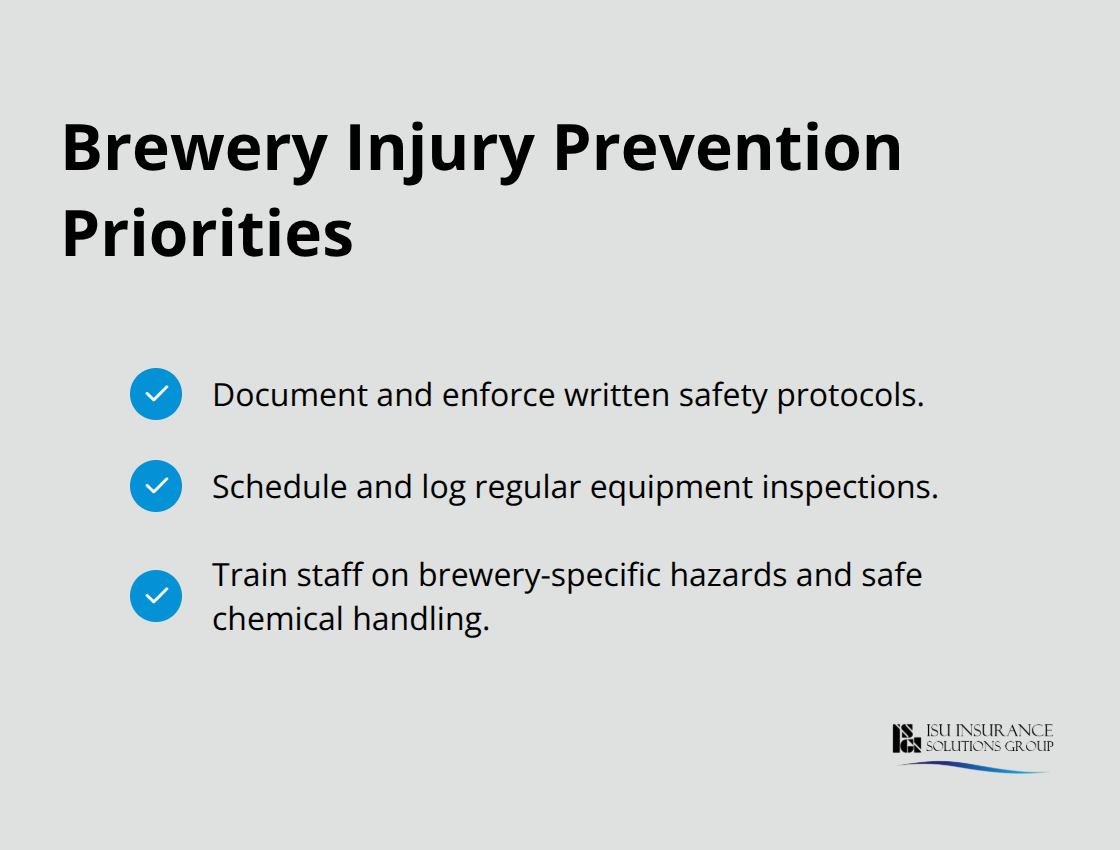
You need documented safety protocols, regular equipment inspections, and training programs that address brewery-specific hazards-not because insurance companies require them, but because injuries shut down production and drain cash flow for months.
Product Recalls and Contamination Risks
Product recalls and contamination issues carry different financial and reputational consequences than equipment failures. A single batch contaminated with bacteria, allergen cross-contamination, or labeling errors that misrepresent ingredients can trigger recalls affecting hundreds or thousands of units. Product liability coverage covers the direct costs of recalls, customer notifications, and replacement products, but it doesn’t cover the loss of retail shelf space or damaged customer relationships.
You prevent recalls through rigorous quality assurance processes, documented sanitation procedures, and allergen control protocols-the same practices that keep your product liability premiums reasonable instead of skyrocketing after a claim. These preventive measures protect both your operations and your bottom line, making them investments in risk management rather than compliance checkboxes.
Final Thoughts
Brewery insurance for startups succeeds when coverage matches your actual operations, not when you buy generic policies and hope they work. The three pillars-general and product liability, property and equipment protection, and liquor liability-form the foundation that keeps your brewery operational when failures happen. Equipment breakdowns, employee injuries, and product contamination aren’t theoretical risks; they’re predictable events that demand specific coverage before you open your doors.
Your insurance strategy must account for tariff volatility affecting replacement costs, distribution models that expand your liability exposure, and the mandatory requirements Washington and Oregon impose before you can legally sell beer. Most brewery owners discover coverage gaps only after a claim, when it’s too late to add protection. The compressor that fails mid-fermentation, the employee injured lifting grain sacks, or the batch contaminated with allergens will cost far more than the premiums you saved by skipping equipment breakdown coverage or underestimating your product liability limits.
Contact ISU Insurance Solutions Group for a multi-carrier quote that addresses your specific brewery model, production scale, and distribution plans. Our Woodinville-based team works with 20+ carriers to find coverage that fits your budget and protects your operation. One call gets you quotes from multiple insurers, eliminating the guesswork and ensuring you’re not overpaying for coverage you don’t need while leaving critical gaps in areas where claims actually happen.
The information provided in this blog is for general informational purposes only and does not constitute legal, financial, or insurance advice. Coverage options, terms, and availability may vary. Please consult with a licensed professional for advice specific to your situation.