
Winery Liability Coverage Oregon: Protect Returns and Reputation
Oregon wineries operate in a high-risk environment where a single incident-contaminated wine, a visitor’s fall, or an alcohol-related injury-can devastate your business financially and damage your reputation permanently.
At ISU Insurance Solutions Group, we’ve seen too many vineyard owners underestimate their liability exposure until it’s too late. Winery liability coverage in Oregon isn’t optional; it’s the foundation that protects your returns and keeps your operation standing when claims arise.
What Makes Oregon Wineries Vulnerable to Liability Claims
Product Liability Threats from Wine Quality Issues
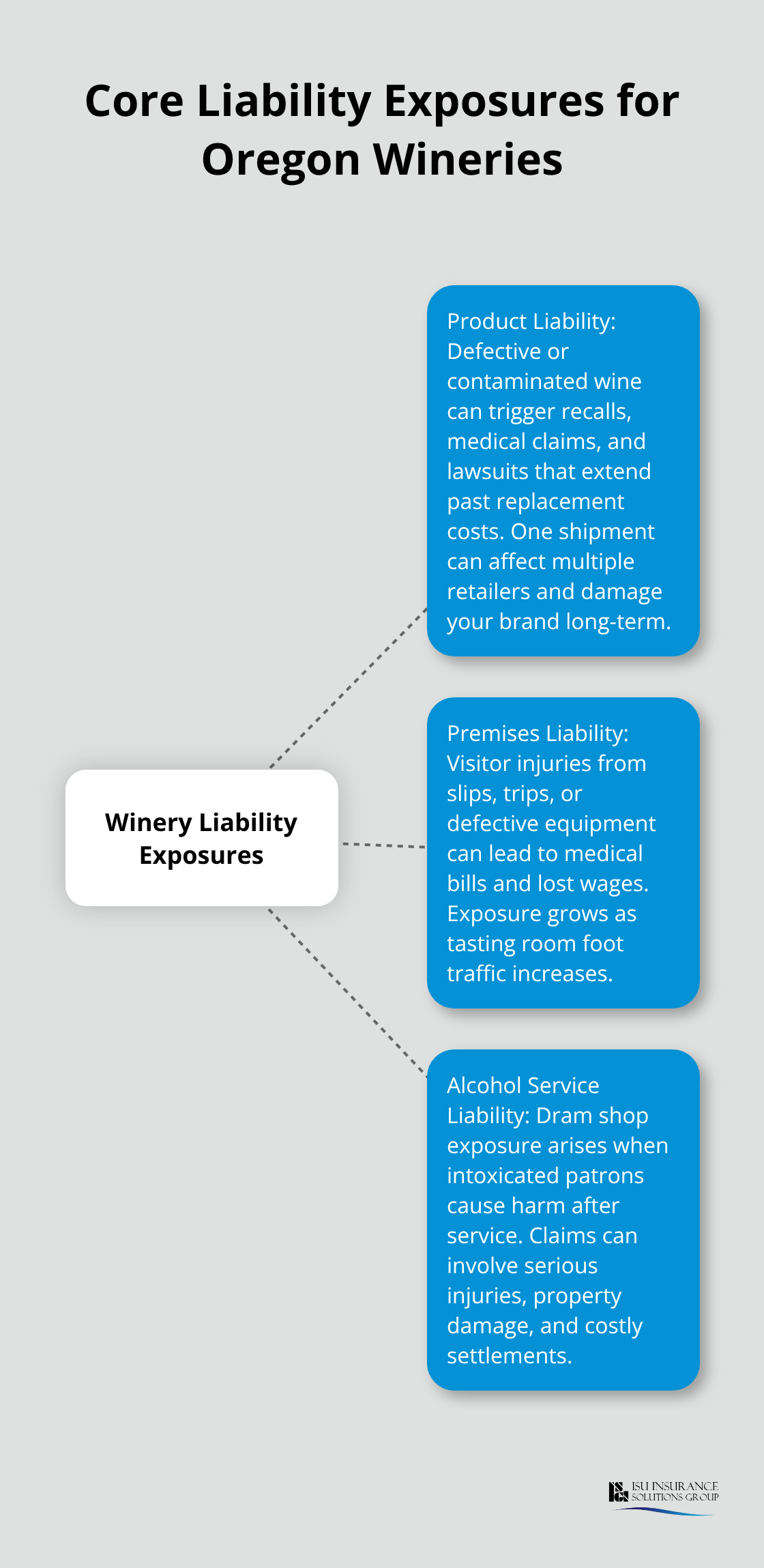
Oregon’s wine industry generated approximately 5.6 billion dollars in economic impact in 2023, according to the Oregon Wine Board, yet many vineyard owners operate without understanding their actual exposure. Contaminated wine represents a serious product liability threat-a single batch with cork taint, bacterial infection, or chemical residue can trigger recalls, medical claims, and lawsuits that extend far beyond the cost of replacement bottles. One contaminated wine shipment affecting multiple retailers can force your winery to absorb replacement costs, legal defense fees, and reputational damage that impacts sales for years.
Premises Liability at Tasting Rooms and Vineyard Grounds
Visitor injuries at tasting rooms create another major exposure point. Falls on uneven terrain, slips in restrooms, or injuries from defective equipment happen regularly across Oregon wineries, and your business becomes liable for medical expenses and lost wages. Oregon’s wine tourism has grown significantly, with tasting rooms now attracting over 2 million visitors annually statewide, which means your premises liability exposure increases directly with foot traffic. A visitor’s spinal injury from a fall can cost 250,000 to 500,000 dollars in medical care and legal defense alone, and without proper premises liability limits, your personal assets become vulnerable.
Alcohol Service Liability and Dram Shop Law Exposure
Alcohol service liability compounds these risks significantly. Oregon’s dram shop law holds establishments responsible for injuries caused by intoxicated patrons they served, meaning if a guest becomes intoxicated at your tasting room and causes a car accident or injures someone else, your winery can face direct liability claims. Hospitality venues in Oregon average 2-3 alcohol-related claims annually according to industry loss data, and settlements frequently exceed 100,000 dollars when serious injury or property damage occurs.
How Multiple Exposures Compound Your Risk
The combination of these three exposure categories creates a perfect storm for under-insured wineries. A contaminated wine shipment affecting multiple retailers, a visitor injury at your tasting room, and an alcohol service incident can all occur within months of each other, overwhelming a standard business policy designed for retail operations. Understanding which coverage types address each exposure category becomes your first step toward protecting your operation.
Coverage Your Oregon Winery Actually Needs
General Liability: The Foundation That Isn’t Enough
General liability insurance forms the baseline for any winery operation, but it falls short on its own. This coverage protects against bodily injury claims when a visitor trips on vineyard stairs or property damage when someone’s vehicle gets hit in your parking lot. However, general liability explicitly excludes product-related claims and alcohol service incidents, which means a standard commercial policy leaves your winery dangerously exposed to the exact scenarios most likely to occur.
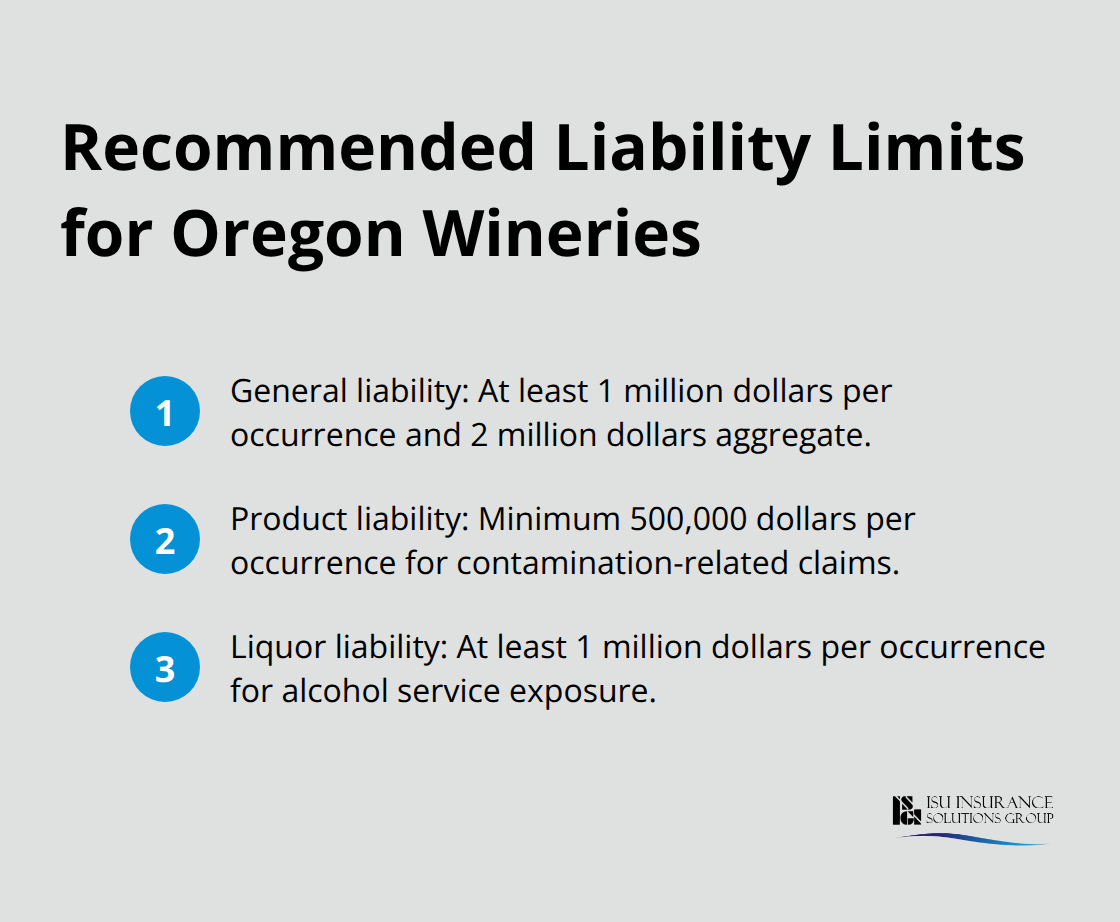
Oregon wineries need general liability limits of at least 1 million dollars per occurrence and 2 million dollars aggregate, according to risk assessments from regional wine industry insurers. Many vineyard owners incorrectly assume their general liability covers wine contamination or a guest’s intoxication-related injury, then discover mid-claim that their policy provides zero protection.
Product Liability: Protecting Against Wine Contamination Claims
Product liability coverage addresses the contamination threats we discussed earlier, protecting your winery when defective wine causes illness, property damage, or financial loss to distributors and consumers. This coverage is non-negotiable for any operation producing wine in volume, and Oregon wineries should carry minimum limits of 500,000 dollars per occurrence given the statewide wine tourism volume and multi-state distribution networks many vineyards operate.
Product-related claims in Oregon’s wine industry require robust protection given the scale of operations across the state. A single contaminated wine shipment affecting multiple retailers forces your winery to absorb replacement costs, legal defense fees, and reputational damage that impacts sales for years.
Liquor Liability: Covering Alcohol Service Exposure
Liquor liability insurance specifically covers alcohol service risks that general liability won’t touch, including dram shop law exposure when an intoxicated patron injures someone else. This is where many Oregon winery owners make their biggest mistake-they assume their general liability or a simple tasting room permit covers alcohol service claims, then face uninsured defense costs exceeding 50,000 dollars when a claim arrives.
Liquor liability should include host liquor coverage for on-premises incidents and should carry limits of at least 1 million dollars per occurrence in Oregon’s liability environment. Liquor liability claims in the hospitality sector average 120,000 dollars in defense and settlement costs combined.
How These Coverages Work Together
The interaction between these three coverages matters more than the individual limits. A contaminated wine shipment triggers product liability, but if that contaminated wine was served at your tasting room and made someone ill, you’ll need liquor liability to cover the service-related aspect of the claim. Your coverage structure should reflect real claim frequencies and costs rather than generic retail business insurance assumptions.
Stack these three coverage types rather than purchasing a single umbrella policy, because each addresses distinct exposures with different underwriting criteria. Carriers specialized in winery risks understand your actual claims patterns better than generalist insurers. An agent who understands Oregon winery operations specifically knows that wine tourism liability differs from standard hospitality liability, and that product liability for wine has different underwriting triggers than product liability for food manufacturing-distinctions that separate adequate coverage from catastrophic exposure.
Selecting Coverage That Matches Your Winery’s Actual Operations
Map Your Operational Footprint First
Your winery’s size, distribution model, and tasting room setup determine which coverage limits protect you adequately and which expose you to unnecessary gaps. A small estate winery producing 500 cases annually for local tasting room sales faces fundamentally different liability scenarios than a production facility distributing 50,000 cases across multiple states, yet many vineyard owners apply generic hospitality insurance formulas instead of analyzing their specific operational footprint. Start by documenting your actual exposure: How many visitors pass through your tasting room monthly? Do you distribute wine beyond Oregon, or sell exclusively on-site? Do you host events with third-party alcohol service, or do you manage all beverage service directly? Do you operate a restaurant, or only serve wine with cheese and charcuterie boards? These operational details directly shape your claims risk and determine appropriate coverage limits.
A winery with 15,000 annual tasting room visitors and multi-state distribution requires significantly higher product and liquor liability limits than a production facility with 2,000 visitors and local-only sales, yet standard insurance quotes often ignore these distinctions entirely.
Identify Your Specific Exposure Categories
Production volume, visitor traffic, and distribution reach each create separate liability exposures that demand different coverage responses. A winery that produces wine for on-site consumption only faces lower product liability risk than one that ships cases across state lines, where contamination claims can affect multiple retailers and consumers simultaneously. Tasting room visitor volume directly correlates with premises liability frequency-a high-traffic facility experiences more slip-and-fall incidents than a small production operation. Event hosting (weddings, corporate functions, private tastings) multiplies your alcohol service liability exposure because you serve alcohol to guests who may not purchase wine and thus receive less oversight than paying tasting room customers.
Document these categories with actual numbers from your operation, not industry averages. Your specific risk profile determines whether you need 1 million or 3 million in liquor liability limits, and whether product liability coverage should extend to cork taint, oxidation, and bacterial contamination scenarios.
Compare carriers on exclusions, not price alone
Comparing carriers means reviewing specific exclusions rather than shopping on premium alone, because Oregon winery policies vary dramatically in what they actually cover. Request detailed coverage worksheets from at least three carriers that specialize in wine industry risks, then identify which exclusions create exposure gaps for your operation. One carrier might exclude cork taint claims entirely, while another covers it but excludes fermentation-related contamination. Some liquor liability policies cap host coverage at $250,000 per occurrence, which proves inadequate if an intoxicated guest causes a serious injury at your tasting room.
Ask each carrier directly: Does your product liability cover cork taint, oxidation, and bacterial contamination? Does your liquor liability include hosted events on your premises? What are the aggregate limits for multi-state distribution claims? Does your general liability exclude wine-related incidents? Carriers specializing in winery operations understand these distinctions; generalist insurers often provide boilerplate responses that hide critical gaps.
Work with Agents Who Understand Oregon Wineries
Agents experienced in wine industry risks recognize that Oregon winery liability differs fundamentally from standard hospitality or retail insurance. They understand that product liability for wine has different underwriting triggers than product liability for food manufacturing, and that wine tourism liability patterns differ from conventional restaurant or bar exposure. These agents ask the right questions about your fermentation processes, your visitor demographics, your distribution channels, and your event hosting practices-questions that generic commercial insurance agents never raise.
An independent agency serving the Pacific Northwest wine industry brings regional expertise that national carriers cannot match. Local agents maintain relationships with multiple carriers and can structure quotes that reflect your actual operational risks rather than applying template assumptions to your winery’s unique profile.
Final Thoughts
Your winery liability coverage Oregon requires active management as your vineyard grows. When you expand tasting room capacity, increase production volume, or enter new distribution markets, your liability exposures shift accordingly, and a policy adequate for 5,000 annual visitors becomes insufficient at 15,000 visitors. Review your coverage annually with your agent, specifically examining whether your product liability limits match your current production volume and whether your liquor liability reflects your actual tasting room traffic and event hosting frequency.
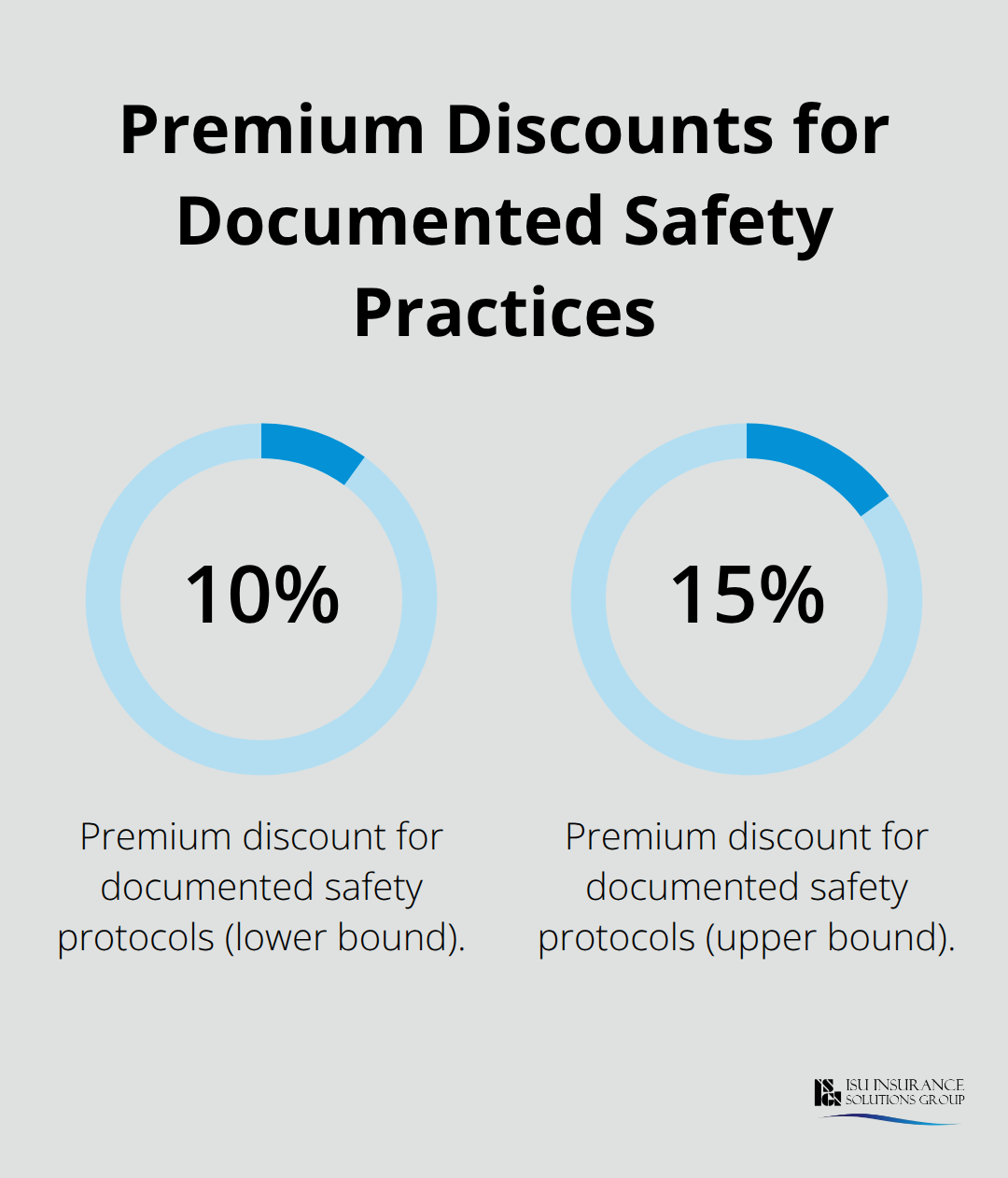
Document your safety protocols rigorously because this documentation directly reduces your insurance premiums and strengthens your position if a claim occurs. Maintain records of your tasting room maintenance schedules, visitor incident logs, staff alcohol service training completion dates, and wine quality testing procedures (carriers specializing in winery risks offer premium discounts of 10-15% when you demonstrate systematic safety practices). These same records become invaluable evidence if you need to defend against a claim.
Partner with ISU Insurance Solutions Group to connect with carriers who understand Pacific Northwest winery operations rather than applying generic hospitality formulas to your business. We’ve served Washington and Oregon since 1983, and our experience with wineries means we understand the specific exposures your operation faces. Contact us to structure coverage that adapts as your winery grows.
The information provided in this blog is for general informational purposes only and does not constitute legal, financial, or insurance advice. Coverage options, terms, and availability may vary. Please consult with a licensed professional for advice specific to your situation.