Brewery Property Coverage Washington: Protecting Your Taproom and Tanks

Running a brewery in Washington means protecting assets that standard commercial insurance simply doesn’t cover. Fermentation tanks, brewing equipment, and thousands of dollars in inventory require specialized brewery property coverage in Washington.

At ISU Insurance Solutions Group, we work with breweries across Washington and Oregon to build protection plans that actually fit your operation. The risks you face-from equipment failures to fire hazards-demand more than generic policies.

Why Brewery Equipment Needs Different Protection

Washington breweries operate equipment that standard commercial policies simply refuse to cover or severely limit. Fermentation tanks, glycol cooling systems, canning lines, and pressure vessels represent hundreds of thousands of dollars in specialized assets that require dedicated protection. A glycol system failure at a mid-size facility triggers losses exceeding $100,000 when you account for spoilage, equipment repair, and lost production time. Standard property policies treat these as generic machinery, missing the reality that a single temperature control failure ruins entire batches of beer worth tens of thousands of dollars.

Equipment breakdown coverage specifically protects boilers, chillers, and refrigeration systems that are absolutely essential to brewing operations. Without this coverage, you face six-figure repair bills and production delays that stretch weeks or months. Washington’s craft beer industry contributes approximately $1.2 billion to the state’s economy, and that scale of operation demands insurance designed for manufacturing complexity, not retail simplicity. The Brewers Association reports that Washington has the second-largest hop acreage in the world and ranks fourth nationally for licensed breweries, meaning your inventory of raw materials and finished beer represents serious asset concentration.

Temperature Control Failures Cost More Than You Think

Glycol system failures represent the single most common and expensive claim in Washington breweries. These systems maintain fermentation temperatures within narrow ranges, and when they fail, you lose entire fermentation cycles instantly. Spoilage coverage that extends beyond standard property policies covers the cost of destroyed inventory, disposal fees, and lost production time while equipment repair occurs.

Visual map of key coverages that respond to temperature control failures in Washington breweries - Brewery property coverage Washington

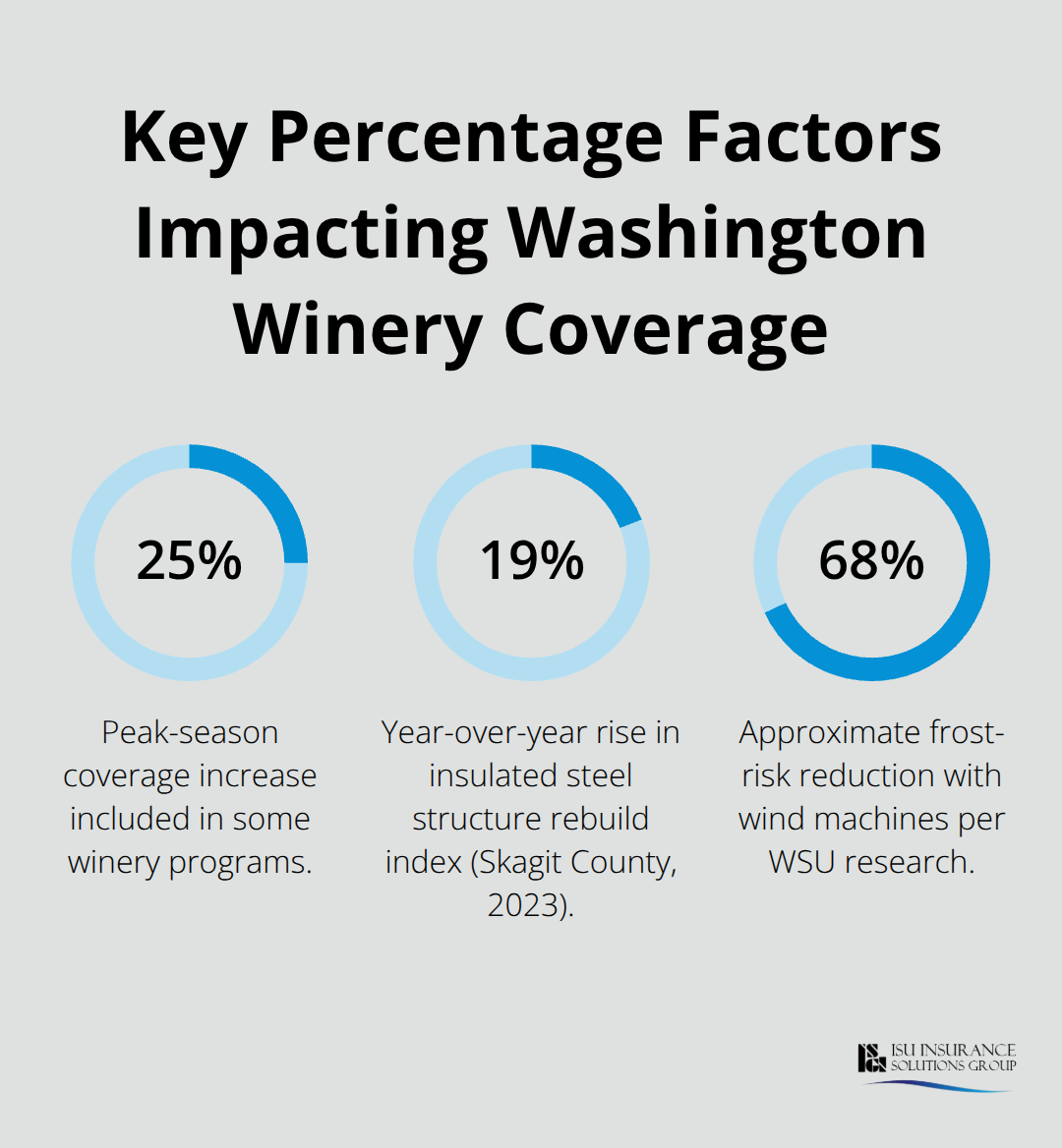
Replacement lead times for specialized tanks exceed 26 weeks, which makes business interruption coverage critical during extended downtime. Peak season endorsements adjust your coverage limits to reflect higher inventory values during peak demand periods, preventing underinsurance when you produce at capacity.

Regulatory Requirements Shape Your Coverage Obligations

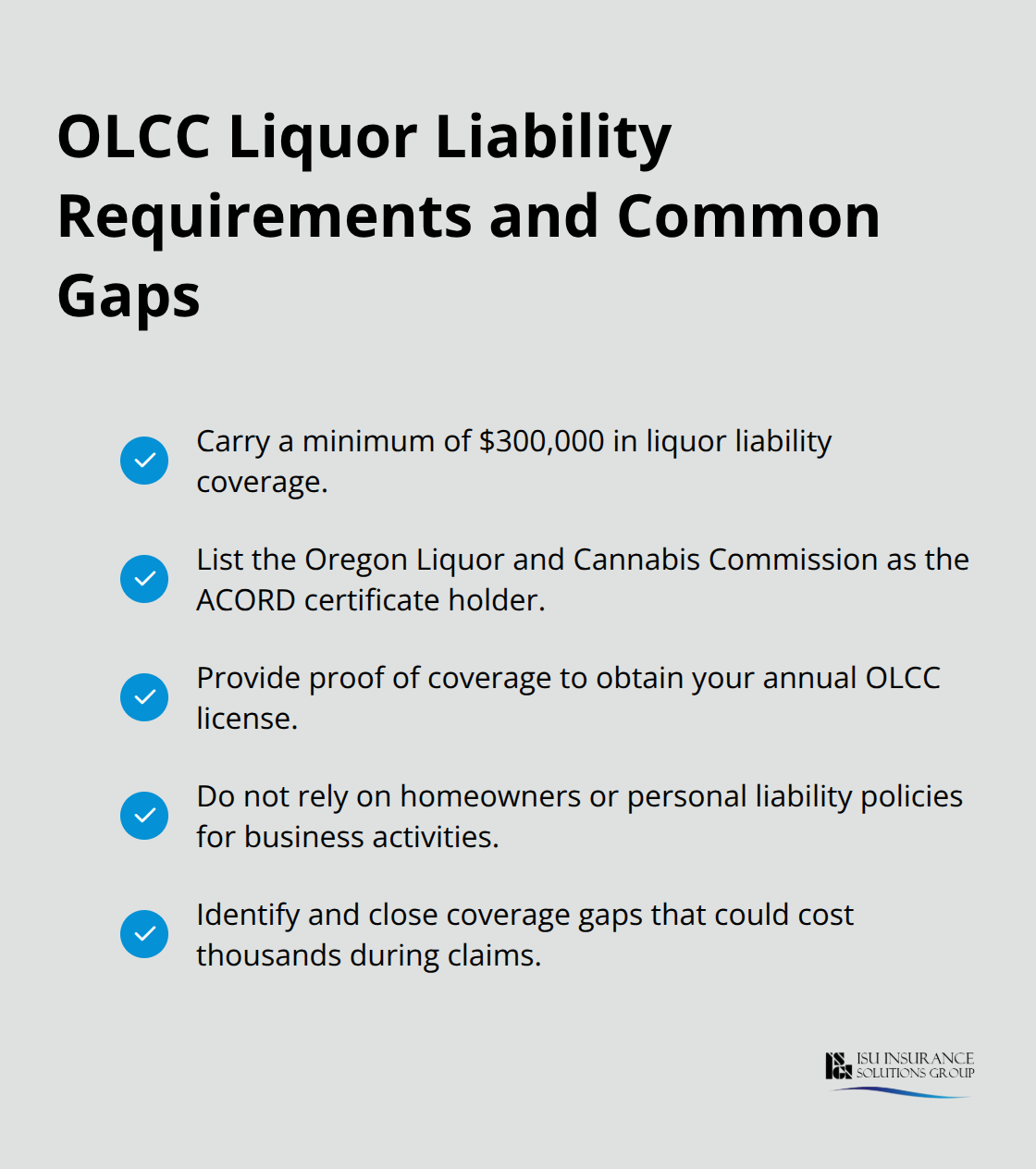
Washington’s Liquor and Cannabis Board requires proof of Commercial General Liability insurance with minimum limits of $1,000,000 before you receive a license. The LCB also mandates liquor liability coverage specifically, which is a separate policy requirement from general liability. Local fire marshals impose additional requirements for facilities larger than 10,000 square feet, often requiring documented proof of adequate property and boiler coverage. Pierce County breweries face wastewater pollution-control requirements that affect environmental liability coverage needs.

These regulatory mandates are not optional suggestions-they are licensing prerequisites that directly influence which coverage types you must carry to remain compliant and operational. Your insurance decisions ultimately determine whether you can legally operate and whether you can recover from major losses. Understanding what regulators require helps you avoid coverage gaps that could cost your brewery its license or leave you unprotected after a catastrophic event. The next section examines the specific coverage types that protect your building, equipment, and inventory from the risks that actually threaten Washington breweries.

Building Real Protection Into Your Brewery Coverage

Foundation: Structure and Building Protection

Your brewery’s physical assets demand coverage that goes far beyond standard commercial property policies. Building and structure protection forms the foundation, but it must account for replacement cost rather than depreciated book value. Seattle-area replacement costs have risen approximately 20% since 2020, which means your insured values need regular updates to reflect current construction expenses. A 15,000 square-foot brewery facility with concrete floors, specialized HVAC systems for temperature control, and reinforced structural supports for tank placement costs significantly more to rebuild than a generic commercial building. Fire marshals in Washington require documented proof of adequate property coverage for facilities exceeding 10,000 square feet, so your coverage limits directly determine licensing compliance.

Equipment Breakdown: Protecting Your Most Valuable Assets

Equipment breakdown coverage operates separately from standard property protection and covers the specific machinery that defines your operation. Boilers, pressure vessels, chillers, and canning lines represent the highest-value components in most breweries, and a single failure triggers six-figure repair costs plus weeks of production downtime. The Brewers Association data shows Washington ranks fourth nationally for licensed breweries, and that concentration of equipment-heavy operations means carriers understand the real costs of these failures. Spoilage protection extends coverage to inventory destroyed when temperature control systems fail, which is critical because fermentation tanks worth $50,000 can hold beer valued at $30,000 to $80,000 depending on batch size and production stage. Peak season endorsements automatically increase your equipment and inventory limits during high-production periods, preventing the common mistake of carrying insufficient coverage when you need it most.

Inventory Protection: Raw Materials and Finished Products

Inventory and product protection requires honest assessment of what you actually have stored at any given time. Raw materials including hops, malt, and yeast stored in climate-controlled areas need specific coverage because standard property policies often exclude spoilage unless you add explicit protection. Finished inventory in kegs, cans, and bottles represents liquid assets that require scheduled coverage detailing quantities and locations, especially if you distribute across multiple warehouses or retail partners. Product liability and recall coverage protects against contamination claims and covers government-mandated recall costs, which matters when you distribute across state lines. Washington accounts for nearly 6% of national beer production, and that multi-state distribution exposure means contamination in one batch could trigger recalls affecting retailers across five or more states.

Business Interruption: Protecting Revenue During Downtime

Business interruption coverage reimburses lost profits when covered perils halt production, which is essential during equipment repairs or facility damage when lead times for replacement tanks exceed 26 weeks. Many breweries underestimate how much revenue they lose during downtime, particularly when they supply restaurants and retail accounts on regular schedules that cannot be disrupted without damaging customer relationships. Production stoppages cost far more than just repair bills-they cost customer relationships and market share that take months to rebuild. Your coverage should reflect actual monthly revenue so that interruption payments cover both fixed expenses and lost profit margins during extended downtime.

The specific coverage types you select determine whether your brewery survives a major loss or faces financial devastation. Brewery insurance in Washington requires careful assessment of your unique operational risks, and working with carriers experienced in craft production ensures you capture exposures that generic policies miss. Beyond these core protections, additional exposures emerge when you operate a taproom, host events, or expand distribution-each creating liability risks that demand their own specialized coverage solutions.

Common Claims and How to Prevent Them

Fire and Explosion Risks in Brewing Facilities

Fire and explosion risks in Washington breweries stem from specific operational hazards that most facility managers underestimate. CO2 systems pressurized to dangerous levels, grain dust accumulation in milling areas, and propane heating systems create genuine fire and explosion exposure that standard commercial policies treat as generic industrial risk. The Brewers Association reports Washington has over 475 craft breweries, and fire incidents at even one facility per year across the state demonstrate this is not theoretical concern.

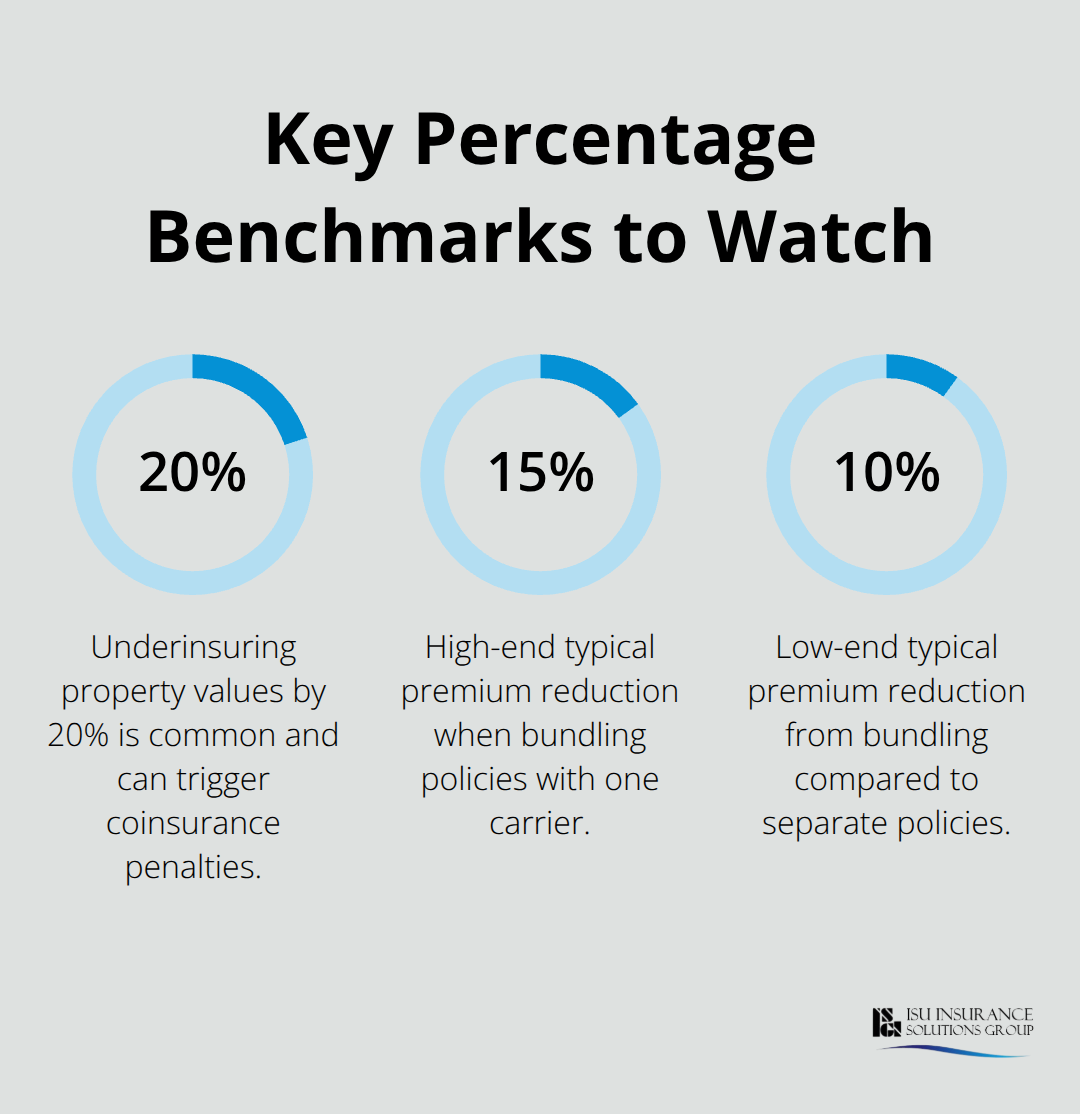
A single propane system malfunction or electrical fault in fermentation areas can trigger catastrophic losses exceeding $500,000 when you account for building damage, equipment destruction, and inventory loss. Daily CO2 monitoring, regular boiler inspections documented in writing, and OSHA-style safety training reduce your premium costs by up to 15 percent according to carriers who specialize in brewery coverage. Fire marshals require proof of adequate property coverage for facilities exceeding 10,000 square feet, so your insurance limits directly determine whether your facility passes inspection and maintains operational licensing.

Percentage snapshot of Washington brewery risk and market figures - Brewery property coverage Washington

Water Damage from Equipment Failure

Water damage from equipment failure represents the second-largest claim category in Washington breweries, particularly from glycol system leaks that spread across production floors and destroy electrical systems, HVAC equipment, and inventory simultaneously. A mid-size facility experienced a glycol leak that triggered equipment breakdown, spoilage, and business interruption payments totaling over $150,000 because comprehensive coverage captured all three exposures.

Compact list of the top claim types affecting Washington breweries

Replacement lead times for specialized fermentation tanks exceed 26 weeks, which means business interruption coverage that extends through extended repair periods protects your revenue during months when you cannot produce. Temperature control failures demand immediate attention because even brief system malfunctions destroy fermentation cycles worth tens of thousands of dollars in raw materials and labor. Consider replacing aging water supply hoses with braided stainless steel alternatives, which have a longer lifespan and can help prevent costly water damage claims.

Theft and Vandalism Prevention Strategies

Theft and vandalism at brewery locations increased significantly post-2020, with break-ins targeting finished inventory in taproom storage areas and raw materials stored in accessible warehouse sections. Crime coverage addressing employee dishonesty and theft is often limited under standard property policies, which means standalone crime policies provide stronger protection for high-value inventory.

Implement daily inventory checks, secure raw material storage with keycard access, and install security cameras in high-value areas to reduce both loss frequency and insurance premiums. These controls demonstrate to carriers that you take asset protection seriously, which translates directly into lower renewal costs and faster claims resolution when incidents occur.

Final Thoughts

Protecting your Washington brewery requires specialized brewery property coverage that addresses temperature control failures, spoilage risks, equipment breakdown, and regulatory compliance simultaneously. The claims discussed throughout this guide reflect real losses that breweries face every year-fire and explosion risks from CO2 systems, water damage from glycol leaks, and theft of high-value inventory happen regularly across Washington’s 475+ craft breweries. The difference between financial recovery and operational collapse comes down to whether you carried the right coverage before the loss occurred.

Building comprehensive protection means starting with building and structure coverage based on replacement cost rather than depreciated value, adding equipment breakdown protection for your most critical machinery, and including inventory coverage that reflects both raw materials and finished products. Business interruption coverage protects your revenue during extended downtime when replacement lead times exceed 26 weeks, and peak season endorsements ensure you maintain adequate limits during high-production periods when your asset concentration peaks. Finding the right coverage requires working with carriers and agents who understand brewing operations specifically, since generic commercial insurance brokers lack the expertise to identify exposures unique to fermentation and temperature control.

We at ISU Insurance Solutions Group specialize in brewery and winery coverage through partnerships with multiple carriers and understand Pacific Northwest brewing operations thoroughly. Contact us for a brewery insurance quote that compares coverage options and competitive rates from carriers who actually understand your risks.

The information provided in this blog is for general informational purposes only and does not constitute legal, financial, or insurance advice. Coverage options, terms, and availability may vary. Please consult with a licensed professional for advice specific to your situation.
What Washington Brewery Insurance Quotes Really Cost for Craft Producers

Washington brewery insurance quotes vary wildly depending on your operation’s size, location, and equipment. We at ISU Insurance Solutions Group have seen premiums range from a few thousand dollars annually for small taprooms to six figures for larger production facilities.

Most breweries underestimate what coverage actually costs because they don’t understand which factors drive pricing. This guide breaks down the real numbers and shows you how to get competitive quotes without overpaying.

What Really Drives Your Brewery Insurance Quote

Revenue and Production Volume Set Your Baseline

Your annual revenue and production volume are the primary levers that insurers pull when pricing your policy. A brewery generating $500,000 in annual sales will pay substantially less than one hitting $5 million, because higher revenue means greater exposure to product liability, spoilage losses, and recall costs. Insurers also scrutinize your barrel-to-package ratios and the number of off-site festivals or events you attend annually. If you attend more than ten festivals per year, carriers expect you to carry $2 million to $5 million in general and liquor liability coverage, which directly inflates your premium.

Location and Regional Risk Factors

Location matters more than many brewers realize. Seattle-area facilities face higher property replacement costs because real estate values have climbed roughly 20 percent since 2020, driving up the insurable value of your building and equipment. A brewery in Spokane typically pays less for property coverage than an identical operation in the Seattle metro area. Washington’s craft beer landscape also creates concentrated risk-the state holds the second-largest concentration of hop acreage globally and ranks fourth in the nation for licensed breweries, according to the Brewers Association 2023 data. This density means local fire marshals and regulators are familiar with brewing risks and may demand specific coverage thresholds before issuing permits.

Equipment Breakdown and Operational Complexity

Your equipment footprint directly correlates to your premium. Boilers, chillers, canning lines, and glycol systems represent significant breakdown exposure. Brewery equipment breakdown coverage helps offset costs associated with spoilage, contamination, and product recall. That coverage illustrates why equipment breakdown protection isn’t optional-it’s essential. Breweries operating taprooms or tasting rooms face multiplied liability exposure because crowds, events, and alcohol service create slip-and-fall and intoxication risks that breweries-only operations don’t encounter. WA juries award premises-liability claims with medians exceeding $250,000, so many brokers recommend at least $2 million in combined single limits for public-facing operations.

Public-Facing Operations and Liquor Liability

If you run an on-premises restaurant or host weddings, your liquor liability costs can jump 3 to 4 times higher than wholesale-only coverage. The Washington Liquor and Cannabis Board requires separate liquor liability proof before licensing, and general liability policies often exclude alcohol-related incidents entirely, so you cannot skip this coverage. Small breweries typically pay $150 to $200 monthly for a $1 million/$2 million liability package, but that baseline shifts upward quickly with production scale, event frequency, or public access. Understanding these cost drivers helps you anticipate what your actual quote will look like and identify where you can negotiate or adjust coverage to fit your budget.

Getting Accurate Brewery Insurance Quotes

Prepare Your Operational Data Before Requesting Quotes

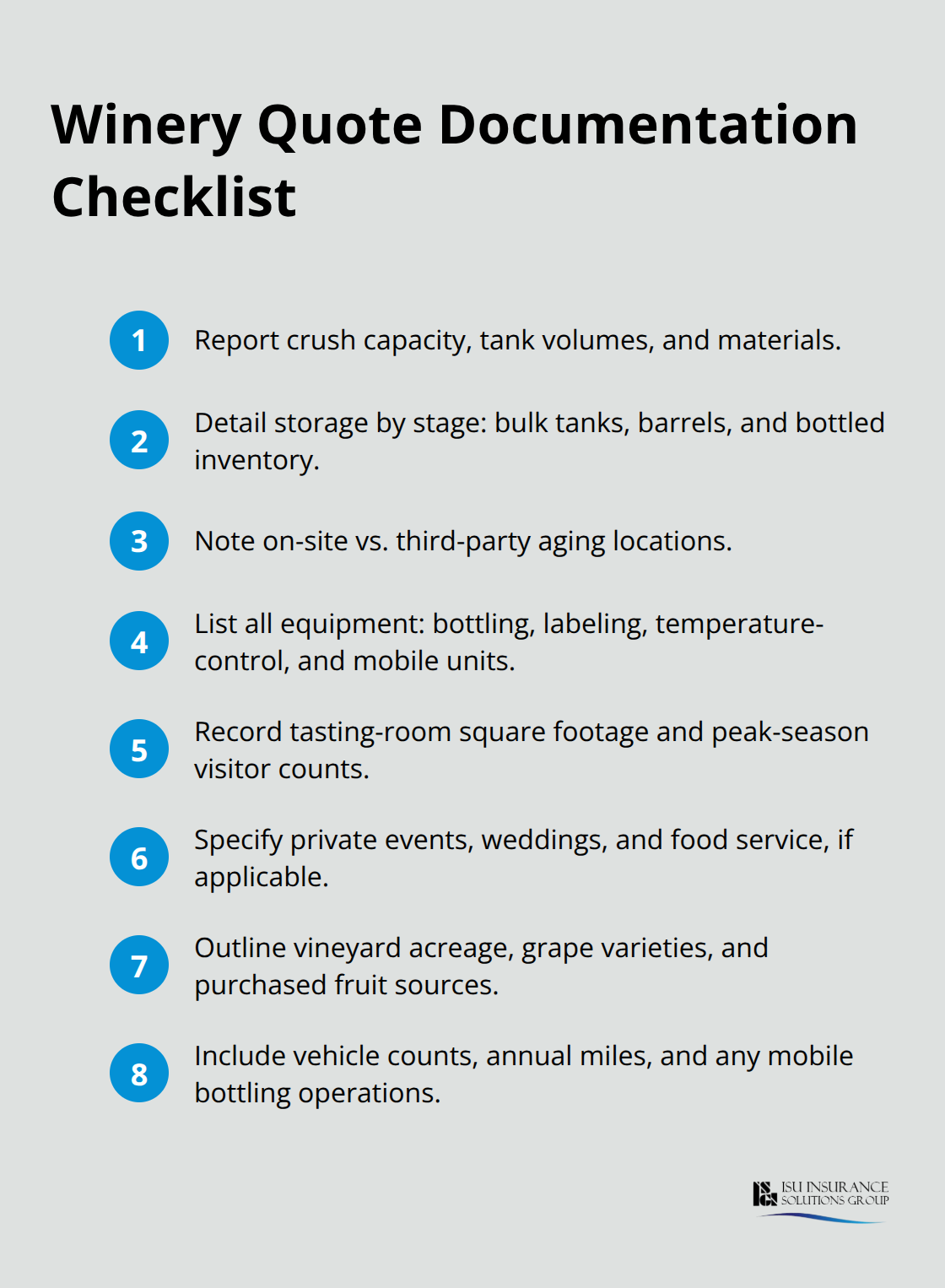
Requesting quotes without proper preparation wastes time and produces misleading numbers. Insurers need specific operational details to price your risk accurately, and vague answers lead to lowball quotes that don’t reflect reality when you actually bind coverage. Start by documenting your annual gross revenue for the past two years, your production volume in barrels, and your specific brewing setup-whether you operate a production facility only, a taproom with on-premises service, or both. Include the number of off-site events or festivals you attend annually, your employee count, and details on major equipment like boilers, chillers, and canning lines. If you serve alcohol on-site, specify whether you operate a full restaurant, limited food service, or tasting-room only. Insurers also scrutinize your building construction type, square footage, and whether you own or lease the space. Many brokers request three years of loss history if you’ve carried coverage before. The more granular your data, the tighter your quotes will be.

Compare Multiple Carriers to Spot Price Variations

Comparing quotes from multiple carriers is non-negotiable because brewery premiums vary dramatically across insurers. One carrier might quote $8,000 annually for a small production facility while another quotes $12,000 for identical coverage-that’s a 50 percent spread.

Percentage difference between two carrier quotes for identical coverage - Washington brewery insurance quotes

Work with an independent agent who can access multiple carriers simultaneously rather than requesting quotes directly from insurers one at a time. An independent agency can pull quotes from 20+ carriers in a single process, saving you weeks of back-and-forth calls.

Identify Red Flags in Quote Pricing

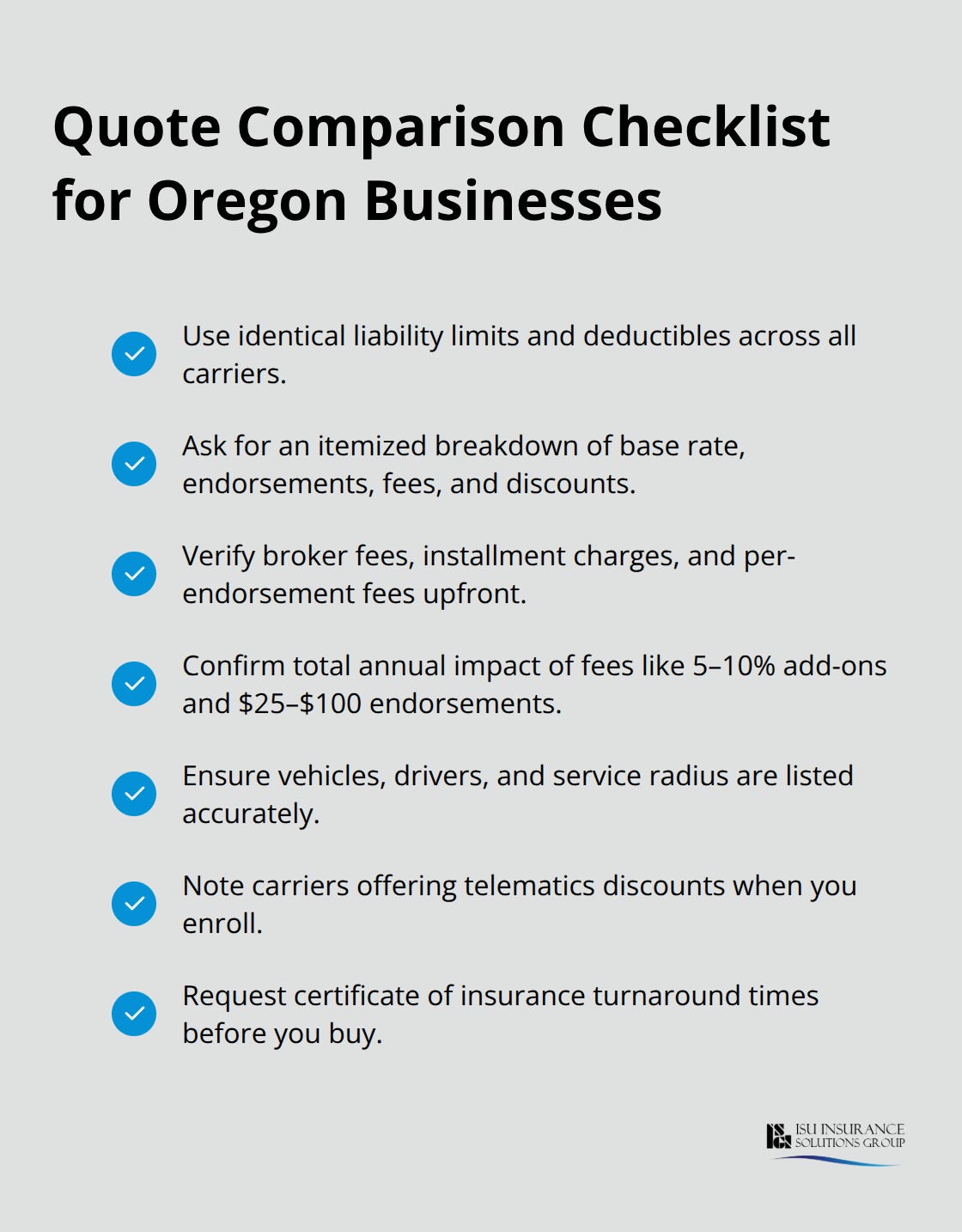
When reviewing quotes, watch for red flags: if a quote seems unusually cheap, verify that it includes liquor liability, equipment breakdown, and spoilage coverage, because some carriers strip out expensive coverages to appear competitive on the base price. Check whether property limits reflect replacement cost rather than depreciated book value, especially in Seattle metro areas. Avoid agents who quote via email without a conversation about your operations-they’re likely using templates and missing critical exposures. A legitimate quote includes specific coverage limits, deductibles, exclusions, and a breakdown of premium by coverage type.

Evaluate Carrier Responsiveness and Support

Request certificates of insurance timelines during the quote process, because some carriers take weeks to issue them, which can delay your licensing. Ultimately, the lowest quote rarely represents the best value if it skips coverage you actually need or comes from a carrier slow to respond during claims. Speed of certificate issuance, references from similar breweries, and broker support for recalls and OSHA audits matter as much as the premium itself. Your next step involves understanding which specific coverage types protect your operation most effectively and where you can adjust limits to balance protection with cost.

Cost-Saving Strategies for Washington Breweries

Bundle Coverage Types for Substantial Savings

Bundling your coverage types into a single brewery-specific policy cuts your premium substantially compared to purchasing general liability, property, and equipment breakdown separately. Carriers offer integrated brewery packages that treat your operation as a cohesive risk rather than three disconnected exposures, which lets them apply volume discounts of 10 to 20 percent. A small production facility paying $12,000 annually for piecemeal coverage might drop to $9,600 to $10,200 with a bundled package. The savings compound when you add spoilage, equipment breakdown, and liquor liability to the same policy because the insurer eliminates duplicate administrative costs and applies a single deductible structure across coverages. This approach also eliminates coverage gaps that emerge when different insurers write different pieces of your risk. Verify that your bundled quote includes liquor liability with adequate limits for your on-premises operations, because some carriers bundle a weak liquor liability component to keep the base price attractive, then surprise you with limitations when you actually need the coverage.

Implement Safety Programs to Reduce Premiums

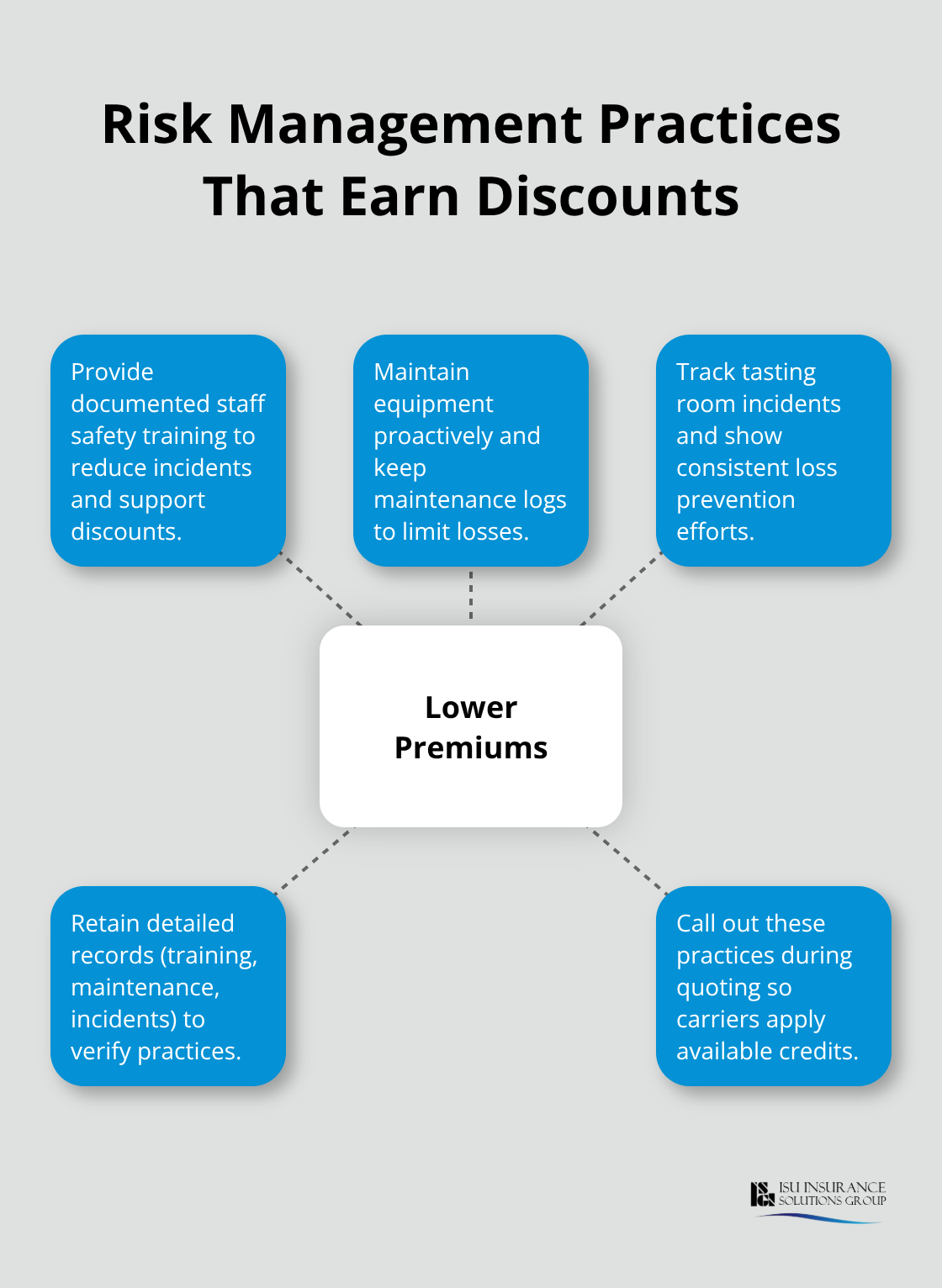
Safety programs and risk management practices directly reduce your premiums because insurers reward documented loss prevention. Breweries that install CO2 monitoring systems, maintain boiler inspection schedules, and train staff on safe keg handling and wort temperature control see premium reductions of 5 to 15 percent annually. A brewery in Yakima Valley that installed equipment breakdown coverage and spoilage protection avoided catastrophic loss when a glycol leak damaged equipment-the claim paid $145,000 in repairs and reimbursed lost product revenue during a three-week outage that would have otherwise decimated cash flow. Document your safety initiatives in writing and share them with your broker during renewal conversations, because insurers often don’t automatically apply discounts unless you explicitly highlight your risk-management investments.

Select Coverage Limits Based on Actual Exposure

Choosing the right coverage limits requires honest assessment of your actual exposure rather than guessing. A production-only brewery with no public access needs lower general liability limits than a taproom hosting ten events annually, so don’t pay for $2 million in liquor liability if you operate wholesale-only. Conversely, Seattle metro properties should carry property limits reflecting current replacement costs-real estate prices have risen roughly 20 percent since 2020, so your 2021 insurable values no longer match rebuild costs. Request a loss-control visit from your carrier’s engineers, who can walk your facility and recommend specific limits based on your equipment footprint and production setup. This consultation typically costs nothing and produces a detailed report that justifies your coverage choices to your accountant and board while identifying exposures you might otherwise miss.

Final Thoughts

Washington brewery insurance quotes reflect real operational costs that most producers underestimate until they request their first formal quote. Small taprooms pay $1,800 to $2,400 annually for basic coverage, while production facilities with public events and on-premises service climb toward $8,000 to $15,000 or higher depending on revenue and equipment complexity. The gap between these numbers tracks directly to your production volume, location, and whether you serve alcohol on-site.

Evaluating quotes effectively means moving beyond the premium number itself and comparing what each carrier actually covers. Does the quote include liquor liability with adequate limits for your taproom events, or did the carrier strip it out to appear competitive? Does property coverage reflect replacement cost in your Seattle or Spokane location, or does it use depreciated book value that won’t cover a rebuild? Request specific details on deductibles, exclusions, and coverage limits broken down by type, and ask each carrier how quickly they issue certificates of insurance, because delays can hold up your licensing.

Your next step involves connecting with an independent agent who understands Washington’s brewery landscape and can pull quotes from multiple carriers simultaneously. We at ISU Insurance Solutions Group work with 20+ carriers to deliver personalized brewery coverage tailored to your specific operation, and our agents can walk you through the real costs and help you bundle coverages for maximum savings. Contact us to request quotes and get clarity on what your brewery actually needs to protect your assets and stay compliant with state licensing requirements.

The information provided in this blog is for general informational purposes only and does not constitute legal, financial, or insurance advice. Coverage options, terms, and availability may vary. Please consult with a licensed professional for advice specific to your situation.
Commercial Auto Insurance Quotes You Can Trust

Getting commercial auto insurance quotes shouldn’t feel like guessing what your business actually needs. Most fleet owners either overpay for coverage they don’t use or discover gaps when it’s too late.

We at ISU Insurance Solutions Group help business owners cut through the confusion and find quotes that match their real risks. This guide shows you exactly what to look for and how to compare options that actually protect your bottom line.

Why Your Commercial Auto Quote Matters More Than You Think

Most business owners treat commercial auto quotes as a necessary evil rather than a critical business decision. An inaccurate or incomplete quote creates immediate financial exposure. Bodily injury loss costs rose 9.2% from 2023 to 2024, driven by uninsured motorists, medical cost inflation, and speeding-related incidents. When you underestimate your coverage needs, you’re banking on never hitting that cost increase. One serious accident with an underinsured vehicle drains your operational budget faster than any premium increase ever would. The difference between a rushed quote and a properly researched one often determines whether your business survives a major claim or faces crippling liability exposure.

Hidden Financial Traps in Generic Quotes

Generic quotes miss critical details about how your specific business operates. A contractor moving equipment looks nothing like a delivery service, yet many quotes treat them identically. Vehicle repair and replacement costs have spiked dramatically-CPI for motor vehicle maintenance and repair rose 13% from January 2023 to January 2024 according to the Federal Reserve Bank of St. Louis. If your quote doesn’t account for your actual vehicle types, usage patterns, and driver experience levels, you’ll either overpay for unnecessary coverage or face gaps when claims happen.

Speeding alone accounts for 28% of traffic fatalities and 12% of injuries, with 52% of speeding incidents involving unbelted occupants, per LexisNexis. Your fleet’s safety record and driver training directly impact your actual risk profile, yet many generic quotes ignore these factors entirely. The cost difference between a customized quote and a one-size-fits-all approach typically ranges from 15% to 30% in annual premiums-money that matters when cash flow is tight.

Chart showing the share of fatalities, injuries, and unbelted involvement in speeding incidents - Commercial auto insurance quotes

Comparison Shopping Reveals Real Savings Opportunities

Comparing multiple carrier quotes isn’t about finding the cheapest option; it’s about finding the right coverage at a defensible price. Progressive offers median monthly costs of $219 for business auto customers with clean records and $212 for contractors, though actual rates vary significantly by location, vehicle type, and claims history. When you gather quotes from three or more carriers, you immediately spot which insurers undervalue your business and which ones understand your industry.

Bundling commercial auto with property coverage typically saves around 12% on auto premiums alone, but not every carrier applies this discount equally. Snapshot ProView telematics programs yield approximately 9% average savings for new customers, while established safe-driving records save at least 5%. These discounts stack differently across carriers, which means your lowest quote from one insurer might be your highest from another once you layer in available savings.

Why Your Current Policy Information Matters

Your declarations page serves as a starting point for accurate quotes and demonstrates continuous coverage, which can save up to 25% on premiums. Without comparison shopping, you’re essentially paying whatever your first quote suggests. When you provide current policy information to multiple carriers, you enable them to assess your actual needs and apply relevant discounts. This transparency also reveals which carriers truly understand your industry and which ones apply a generic approach. The next section walks you through exactly what information you need to gather before requesting quotes.

What Actually Protects Your Fleet in a Commercial Auto Quote

The Foundation: Auto Liability and Medical Coverage

Auto liability coverage forms the foundation of every commercial auto quote, and many insurers recommend maintaining at least $1,000,000 per vehicle, with $500,000 as the minimum to avoid leaving your business exposed. Many business owners accept the minimum liability limits their state requires, which is a dangerous mistake-one serious accident involving an injured third party can generate costs far exceeding state minimums. Medical payments coverage sits alongside liability in your quote and pays medical expenses for you, employees, and passengers after an accident regardless of fault, up to your policy limits. This coverage matters because it accelerates claim resolution and prevents employees from suing your business directly.

Physical Damage Protection: Collision and Comprehensive

Collision coverage handles damage to your vehicles from impacts with other vehicles or objects, while comprehensive coverage protects against theft, vandalism, weather damage, and animal strikes. Both require deductibles, typically ranging from $500 to $2,500, and here’s where most business owners make poor decisions: they choose high deductibles to lower premiums without calculating their actual cash flow impact. A $2,500 deductible saves roughly 15-20% on premiums, but if you operate five vehicles and experience two collisions annually, you absorb $5,000 in out-of-pocket costs-money that could have been prevented with a $1,000 deductible and slightly higher premiums.

Protection Against Uninsured Drivers and Equipment

Uninsured and underinsured motorist coverage protects your drivers when at-fault drivers carry insufficient or no insurance, covering medical expenses and lost income for your team. High-risk industries like construction, plumbing, and delivery services face elevated exposure to uninsured motorists, making this coverage non-negotiable in your quote. Contractors and service providers should specifically request inland marine coverage protection for tools and equipment permanently mounted on vehicles, since standard commercial auto policies exclude loose tools.

Operational Support: Roadside Assistance and Beyond

Roadside assistance included in most quotes prevents costly downtime-24/7 towing, fuel delivery, and jumpstart services keep your fleet operational during emergencies. Your quote comparison should directly address which carriers offer these services without additional fees and which ones charge per incident. The deductible structure you select ultimately determines your risk tolerance and monthly cash burn, so resist the temptation to chase the lowest premium without stress-testing that deductible against your actual accident frequency and available reserves. Once you understand what protections matter most for your operation, commercial auto insurance agents can help you gather the specific information that carriers need to build accurate quotes tailored to your business.

Getting Accurate Commercial Auto Insurance Quotes

Compile Your Vehicle and Driver Information First

Start with your vehicle inventory and include specific details: VIN numbers for each vehicle, or at minimum the make, model, year, and current value. Safety features like side-impact airbags or anti-theft systems directly reduce premiums, so carriers won’t find these details independently. Next, document your drivers with precision-license numbers, three-year accident and violation histories, and CDL status if applicable. Progressive requires this driver-level detail to assess actual risk, and carriers that accept vague driver information typically underprice initially, then adjust rates upward at renewal once they obtain real records.

Compact checklist of vehicle, driver, and policy details to gather for accurate quotes - Commercial auto insurance quotes

Gather your current declarations page from your existing policy, which demonstrates continuous coverage and qualifies you for discounts reaching up to 25% on premiums. This single document accelerates the quote process dramatically. Document how each vehicle operates: annual mileage, primary business use, whether employees drive personal vehicles for work, and any goods or equipment transported. A contractor hauling ladders faces different exposure than a salon owner using one vehicle for client visits, yet many business owners provide identical information across quotes.

Document Your Safety Practices and Risk Management

Compile your safety infrastructure-formal driver training programs, distracted driving policies, and fleet management systems. These reduce risk measurably and carriers reward them with discounts, but only if you mention them explicitly. Speeding-related crashes account for 29% of traffic fatalities, so carriers want to know what steps you take to prevent this exposure in your fleet. Your safety record and driver training directly impact your actual risk profile, yet many quotes ignore these factors entirely.

Work with Local Agents for Multi-Carrier Quotes

Local independent agents outperform online quote tools because they understand your specific industry and regional risk factors. An agent familiar with Washington and Oregon construction markets knows the local exposure landscape and can recommend coverage limits that actually reflect your risk rather than state minimums. More importantly, agents shop multiple carriers simultaneously rather than forcing you to visit each insurer’s website separately, collapsing what could take weeks into a single conversation.

Insurance Solutions Group, a Woodinville-based independent agency serving Washington and Oregon since 1983, provides one-call multi-carrier quotes that compare options from 20+ carriers, eliminating the administrative burden entirely. When comparing quotes across carriers, focus on total cost of ownership, not just premium. A quote that costs $250 monthly but includes roadside assistance, rental reimbursement, and bundled property coverage often outperforms a $220 quote missing those components.

Hub-and-spoke illustrating factors that influence the real cost of a commercial auto policy

Compare Total Cost, Not Just Monthly Premium

Calculate what a $1,500 deductible actually costs you annually based on your historical claim frequency-if you file one collision claim every two years, a higher deductible saves less than the premium difference costs. Request quotes with identical coverage limits and deductibles across all carriers so you’re comparing actual pricing differences rather than coverage variations masking premium disparities. Progressive’s median rates of $219 monthly for business auto and $212 for contractors provide benchmarks, but your actual quote depends entirely on the specifics you provide and the accuracy of your driver records and vehicle information.

Final Thoughts

Evaluating commercial auto insurance quotes requires you to look beyond the monthly premium and assess total coverage value against your actual business operations. The quotes you gather should reflect your specific vehicle types, driver records, safety practices, and industry exposure rather than generic assumptions about how your business operates. A $219 monthly quote means nothing if it leaves gaps in coverage or includes deductibles that strain your cash flow after a claim.

Compare quotes with identical coverage limits and deductibles across multiple carriers, calculate the real cost of higher deductibles based on your historical claim frequency, and verify that bundled discounts and telematics savings apply equally across options. Gather your vehicle inventory, driver information, and current declarations page, then request commercial auto insurance quotes from multiple carriers simultaneously rather than visiting each insurer individually. This approach collapses weeks of administrative work into a single conversation and immediately reveals which carriers understand your industry.

Finding the right insurance partner means working with agents who understand your regional market and can access multiple carriers without forcing you to manage the comparison process yourself. ISU Insurance Solutions Group serves Washington and Oregon businesses with one-call multi-carrier quotes from 20+ carriers, eliminating the burden of shopping independently. Since 1983, we have helped contractors, delivery services, and other commercial operators find coverage built on accurate information and competitive pricing.

The information provided in this blog is for general informational purposes only and does not constitute legal, financial, or insurance advice. Coverage options, terms, and availability may vary. Please consult with a licensed professional for advice specific to your situation.