Commercial Auto Insurance Quotes You Can Trust

Getting commercial auto insurance quotes shouldn’t feel like guessing what your business actually needs. Most fleet owners either overpay for coverage they don’t use or discover gaps when it’s too late.

We at ISU Insurance Solutions Group help business owners cut through the confusion and find quotes that match their real risks. This guide shows you exactly what to look for and how to compare options that actually protect your bottom line.

Why Your Commercial Auto Quote Matters More Than You Think

Most business owners treat commercial auto quotes as a necessary evil rather than a critical business decision. An inaccurate or incomplete quote creates immediate financial exposure. Bodily injury loss costs rose 9.2% from 2023 to 2024, driven by uninsured motorists, medical cost inflation, and speeding-related incidents. When you underestimate your coverage needs, you’re banking on never hitting that cost increase. One serious accident with an underinsured vehicle drains your operational budget faster than any premium increase ever would. The difference between a rushed quote and a properly researched one often determines whether your business survives a major claim or faces crippling liability exposure.

Hidden Financial Traps in Generic Quotes

Generic quotes miss critical details about how your specific business operates. A contractor moving equipment looks nothing like a delivery service, yet many quotes treat them identically. Vehicle repair and replacement costs have spiked dramatically-CPI for motor vehicle maintenance and repair rose 13% from January 2023 to January 2024 according to the Federal Reserve Bank of St. Louis. If your quote doesn’t account for your actual vehicle types, usage patterns, and driver experience levels, you’ll either overpay for unnecessary coverage or face gaps when claims happen.

Speeding alone accounts for 28% of traffic fatalities and 12% of injuries, with 52% of speeding incidents involving unbelted occupants, per LexisNexis. Your fleet’s safety record and driver training directly impact your actual risk profile, yet many generic quotes ignore these factors entirely. The cost difference between a customized quote and a one-size-fits-all approach typically ranges from 15% to 30% in annual premiums-money that matters when cash flow is tight.

Chart showing the share of fatalities, injuries, and unbelted involvement in speeding incidents - Commercial auto insurance quotes

Comparison Shopping Reveals Real Savings Opportunities

Comparing multiple carrier quotes isn’t about finding the cheapest option; it’s about finding the right coverage at a defensible price. Progressive offers median monthly costs of $219 for business auto customers with clean records and $212 for contractors, though actual rates vary significantly by location, vehicle type, and claims history. When you gather quotes from three or more carriers, you immediately spot which insurers undervalue your business and which ones understand your industry.

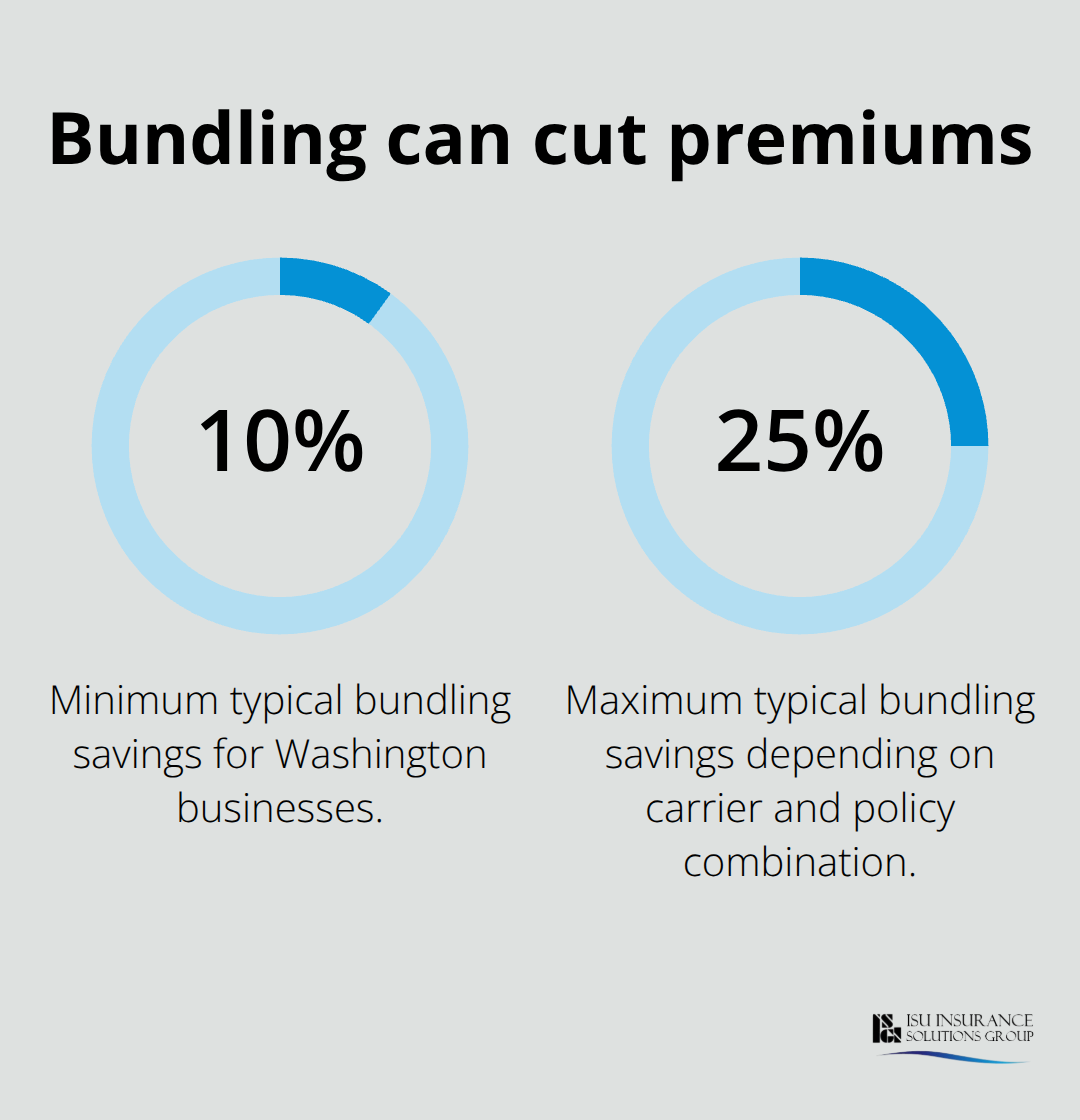
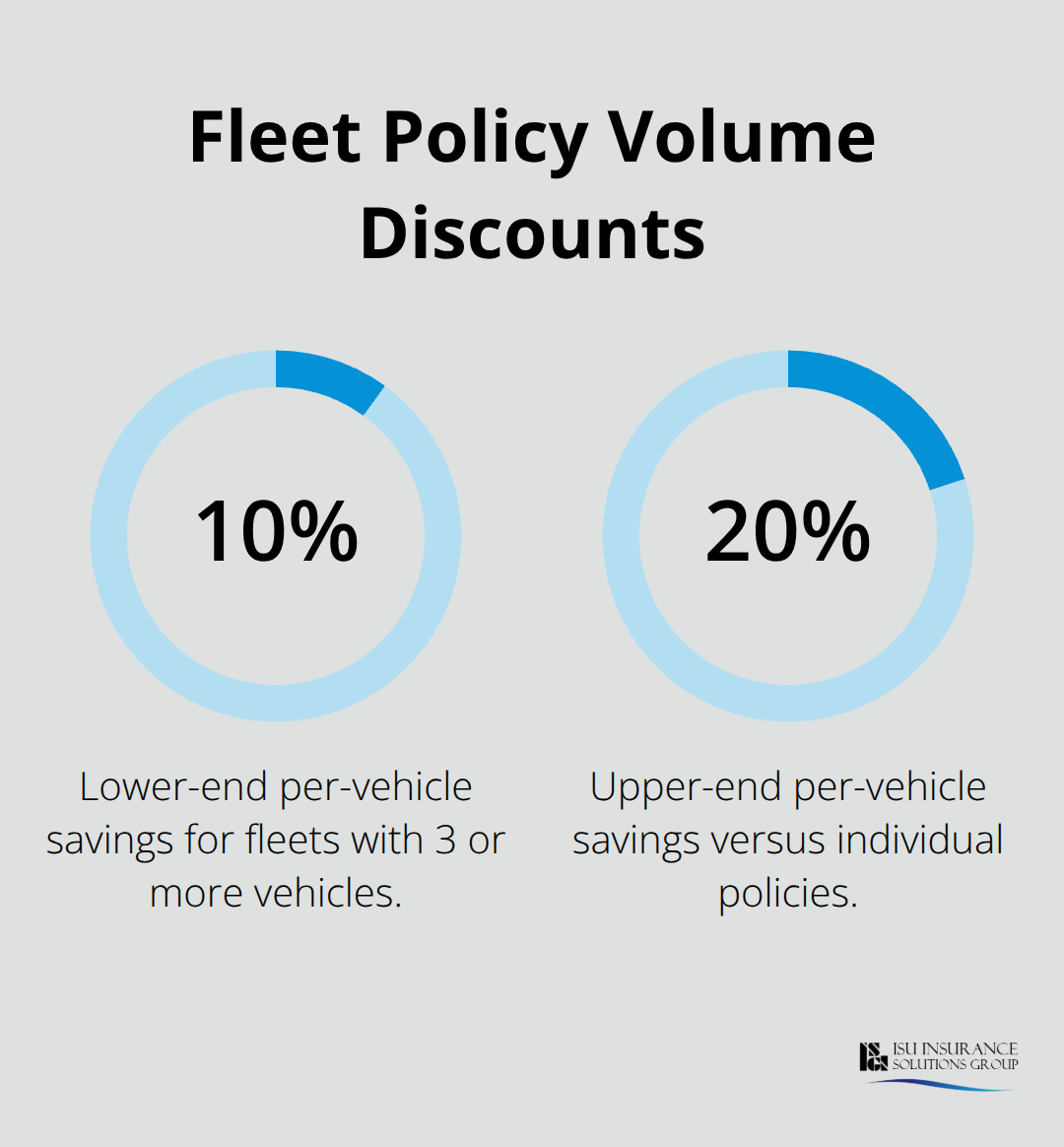
Bundling commercial auto with property coverage typically saves around 12% on auto premiums alone, but not every carrier applies this discount equally. Snapshot ProView telematics programs yield approximately 9% average savings for new customers, while established safe-driving records save at least 5%. These discounts stack differently across carriers, which means your lowest quote from one insurer might be your highest from another once you layer in available savings.

Why Your Current Policy Information Matters

Your declarations page serves as a starting point for accurate quotes and demonstrates continuous coverage, which can save up to 25% on premiums. Without comparison shopping, you’re essentially paying whatever your first quote suggests. When you provide current policy information to multiple carriers, you enable them to assess your actual needs and apply relevant discounts. This transparency also reveals which carriers truly understand your industry and which ones apply a generic approach. The next section walks you through exactly what information you need to gather before requesting quotes.

What Actually Protects Your Fleet in a Commercial Auto Quote

The Foundation: Auto Liability and Medical Coverage

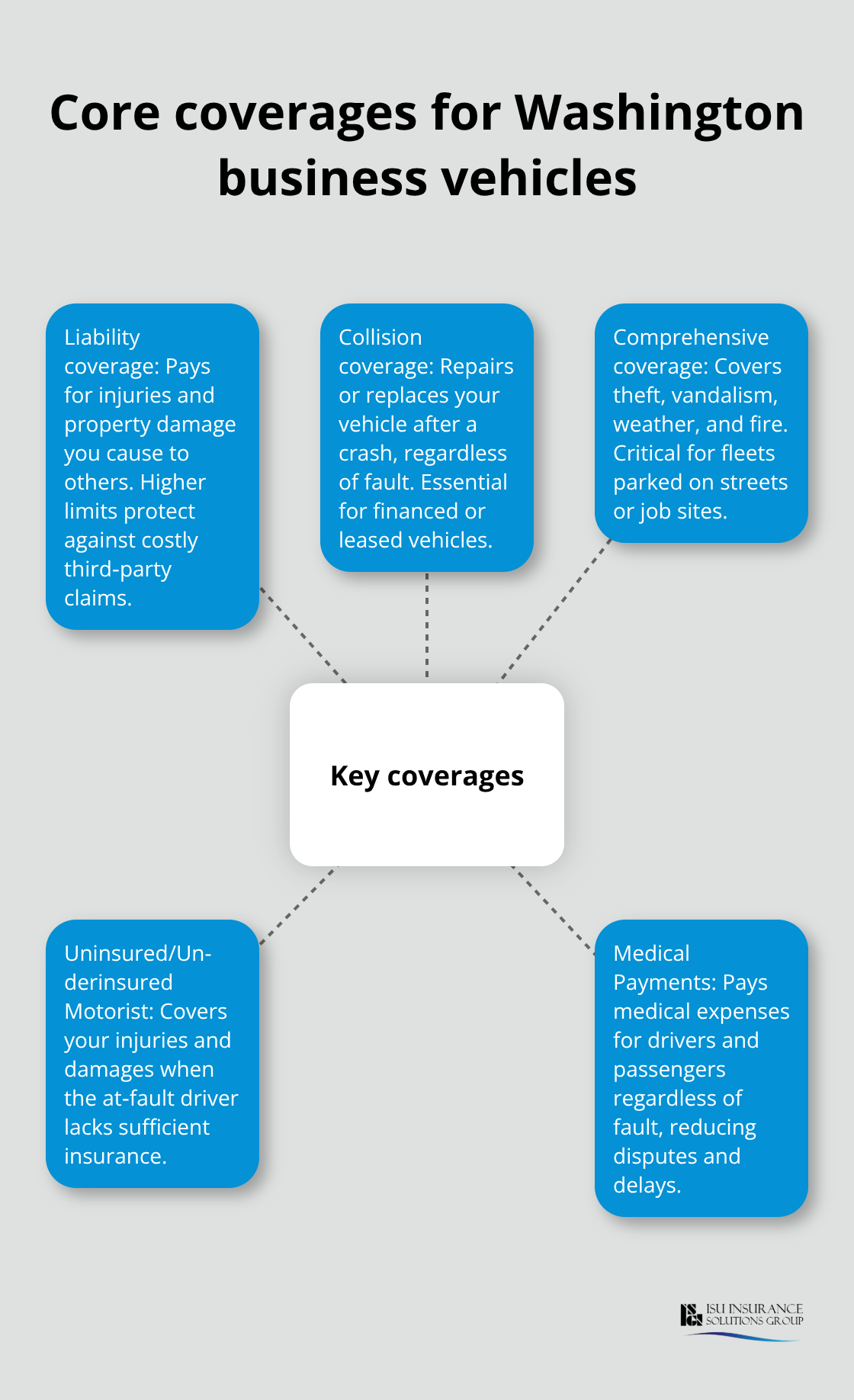
Auto liability coverage forms the foundation of every commercial auto quote, and many insurers recommend maintaining at least $1,000,000 per vehicle, with $500,000 as the minimum to avoid leaving your business exposed. Many business owners accept the minimum liability limits their state requires, which is a dangerous mistake-one serious accident involving an injured third party can generate costs far exceeding state minimums. Medical payments coverage sits alongside liability in your quote and pays medical expenses for you, employees, and passengers after an accident regardless of fault, up to your policy limits. This coverage matters because it accelerates claim resolution and prevents employees from suing your business directly.

Physical Damage Protection: Collision and Comprehensive

Collision coverage handles damage to your vehicles from impacts with other vehicles or objects, while comprehensive coverage protects against theft, vandalism, weather damage, and animal strikes. Both require deductibles, typically ranging from $500 to $2,500, and here’s where most business owners make poor decisions: they choose high deductibles to lower premiums without calculating their actual cash flow impact. A $2,500 deductible saves roughly 15-20% on premiums, but if you operate five vehicles and experience two collisions annually, you absorb $5,000 in out-of-pocket costs-money that could have been prevented with a $1,000 deductible and slightly higher premiums.

Protection Against Uninsured Drivers and Equipment

Uninsured and underinsured motorist coverage protects your drivers when at-fault drivers carry insufficient or no insurance, covering medical expenses and lost income for your team. High-risk industries like construction, plumbing, and delivery services face elevated exposure to uninsured motorists, making this coverage non-negotiable in your quote. Contractors and service providers should specifically request inland marine coverage protection for tools and equipment permanently mounted on vehicles, since standard commercial auto policies exclude loose tools.

Operational Support: Roadside Assistance and Beyond

Roadside assistance included in most quotes prevents costly downtime-24/7 towing, fuel delivery, and jumpstart services keep your fleet operational during emergencies. Your quote comparison should directly address which carriers offer these services without additional fees and which ones charge per incident. The deductible structure you select ultimately determines your risk tolerance and monthly cash burn, so resist the temptation to chase the lowest premium without stress-testing that deductible against your actual accident frequency and available reserves. Once you understand what protections matter most for your operation, commercial auto insurance agents can help you gather the specific information that carriers need to build accurate quotes tailored to your business.

Getting Accurate Commercial Auto Insurance Quotes

Compile Your Vehicle and Driver Information First

Start with your vehicle inventory and include specific details: VIN numbers for each vehicle, or at minimum the make, model, year, and current value. Safety features like side-impact airbags or anti-theft systems directly reduce premiums, so carriers won’t find these details independently. Next, document your drivers with precision-license numbers, three-year accident and violation histories, and CDL status if applicable. Progressive requires this driver-level detail to assess actual risk, and carriers that accept vague driver information typically underprice initially, then adjust rates upward at renewal once they obtain real records.

Compact checklist of vehicle, driver, and policy details to gather for accurate quotes - Commercial auto insurance quotes

Gather your current declarations page from your existing policy, which demonstrates continuous coverage and qualifies you for discounts reaching up to 25% on premiums. This single document accelerates the quote process dramatically. Document how each vehicle operates: annual mileage, primary business use, whether employees drive personal vehicles for work, and any goods or equipment transported. A contractor hauling ladders faces different exposure than a salon owner using one vehicle for client visits, yet many business owners provide identical information across quotes.

Document Your Safety Practices and Risk Management

Compile your safety infrastructure-formal driver training programs, distracted driving policies, and fleet management systems. These reduce risk measurably and carriers reward them with discounts, but only if you mention them explicitly. Speeding-related crashes account for 29% of traffic fatalities, so carriers want to know what steps you take to prevent this exposure in your fleet. Your safety record and driver training directly impact your actual risk profile, yet many quotes ignore these factors entirely.

Work with Local Agents for Multi-Carrier Quotes

Local independent agents outperform online quote tools because they understand your specific industry and regional risk factors. An agent familiar with Washington and Oregon construction markets knows the local exposure landscape and can recommend coverage limits that actually reflect your risk rather than state minimums. More importantly, agents shop multiple carriers simultaneously rather than forcing you to visit each insurer’s website separately, collapsing what could take weeks into a single conversation.

Insurance Solutions Group, a Woodinville-based independent agency serving Washington and Oregon since 1983, provides one-call multi-carrier quotes that compare options from 20+ carriers, eliminating the administrative burden entirely. When comparing quotes across carriers, focus on total cost of ownership, not just premium. A quote that costs $250 monthly but includes roadside assistance, rental reimbursement, and bundled property coverage often outperforms a $220 quote missing those components.

Hub-and-spoke illustrating factors that influence the real cost of a commercial auto policy

Compare Total Cost, Not Just Monthly Premium

Calculate what a $1,500 deductible actually costs you annually based on your historical claim frequency-if you file one collision claim every two years, a higher deductible saves less than the premium difference costs. Request quotes with identical coverage limits and deductibles across all carriers so you’re comparing actual pricing differences rather than coverage variations masking premium disparities. Progressive’s median rates of $219 monthly for business auto and $212 for contractors provide benchmarks, but your actual quote depends entirely on the specifics you provide and the accuracy of your driver records and vehicle information.

Final Thoughts

Evaluating commercial auto insurance quotes requires you to look beyond the monthly premium and assess total coverage value against your actual business operations. The quotes you gather should reflect your specific vehicle types, driver records, safety practices, and industry exposure rather than generic assumptions about how your business operates. A $219 monthly quote means nothing if it leaves gaps in coverage or includes deductibles that strain your cash flow after a claim.

Compare quotes with identical coverage limits and deductibles across multiple carriers, calculate the real cost of higher deductibles based on your historical claim frequency, and verify that bundled discounts and telematics savings apply equally across options. Gather your vehicle inventory, driver information, and current declarations page, then request commercial auto insurance quotes from multiple carriers simultaneously rather than visiting each insurer individually. This approach collapses weeks of administrative work into a single conversation and immediately reveals which carriers understand your industry.

Finding the right insurance partner means working with agents who understand your regional market and can access multiple carriers without forcing you to manage the comparison process yourself. ISU Insurance Solutions Group serves Washington and Oregon businesses with one-call multi-carrier quotes from 20+ carriers, eliminating the burden of shopping independently. Since 1983, we have helped contractors, delivery services, and other commercial operators find coverage built on accurate information and competitive pricing.

The information provided in this blog is for general informational purposes only and does not constitute legal, financial, or insurance advice. Coverage options, terms, and availability may vary. Please consult with a licensed professional for advice specific to your situation.
Consultant Professional Liability Insurance: A Practical Risk Guide

Consultants face a unique liability exposure that general business insurance simply doesn’t cover. A single missed deadline, flawed recommendation, or contract dispute can trigger claims that cost tens of thousands to defend-even if you’re ultimately found not liable.

At ISU Insurance Solutions Group, we’ve seen too many consultants operate without proper professional liability insurance, only to face financial devastation when a client sues. This guide walks you through the real risks consultants encounter and the coverage elements that actually protect your practice.

What Consultants Actually Face in Liability Claims

The Three Claim Types That Hit Hardest

Negligence allegations, misrepresentation, and breach of contract form the core liability exposure for consultants. A strategy consultant who recommends a market expansion that tanks costs the client millions in losses. An IT consultant who implements a system that fails to meet promised performance metrics triggers a lawsuit. A business coach whose advice leads to poor hiring decisions results in client losses that balloon into six-figure claims. These scenarios happen constantly across the consulting industry.

Key liability claim drivers for consultants - Consultant professional liability insurance

The Hartford reports that common claim triggers include errors in advice, failure to complete work as specified, and omissions in service delivery.

Why defense costs alone devastate uninsured consultants

Legal fees for a professional liability dispute typically run $50,000 to $150,000 before any settlement or judgment is paid. If you’re uninsured, that money comes directly from your business bank account or personal assets. Over a five-year period, the overall average professional liability claim was $20.1 million, with a maximum settlement exceeding $500 million. Most consultants operate without realizing their general liability policy won’t touch these claims. General liability covers bodily injury or property damage-someone slips in your office or you accidentally damage client equipment. It doesn’t cover the core risk of consulting: that your advice or work product caused financial harm.

The Coverage Gap in Standard Business Policies

Your homeowners or business owners policy has the same blind spot. A client suing you for negligent advice falls entirely outside standard coverage. This is the gap that professional liability insurance fills. Without it, you’re personally liable for every dollar of damages and defense costs. With a $1 million policy, your insurer covers legal defense from day one, handles settlement negotiations, and pays judgments up to your limit. The policy also protects your cash flow during litigation-critical for solo consultants or small firms where legal costs can force closure.

Claims-Made Coverage and the Tail Coverage Trap

The claims-made structure most carriers use means you need continuous coverage to stay protected. If you cancel your policy or switch carriers, claims filed after your policy ends for work you did years earlier fall outside coverage. That’s why tail coverage exists-to protect you after you leave the profession or retire. Skipping professional liability insurance isn’t a cost-saving decision.

How continuous coverage, retroactive dates, and tail coverage work

It’s a bet that no client will ever sue you, and that bet has odds worse than most consultants realize.

Now that you understand the financial and operational risks, the next section examines real-world scenarios where professional liability coverage actually protects consultants-and shows how quickly claims escalate when coverage is absent.

Real-World Scenarios Where Professional Liability Coverage Protects Consultants

When Project Delays Trigger Financial Claims

A management consultant recommends a restructuring plan that costs the client $400,000 in severance and lost productivity when the reorganization fails to deliver promised efficiency gains. The client sues for negligent advice. Without professional liability insurance, the consultant faces $75,000 in legal defense costs before any settlement discussion begins. With coverage, the insurer’s legal team handles the defense immediately, investigates the claim, and negotiates a resolution while the consultant continues working. This difference between insured and uninsured outcomes determines whether a single claim ends a consulting practice or becomes a manageable business expense.

Project failures and missed deadlines generate claims when clients tie delays to specific financial losses. An HR consultant hired to implement a new payroll system misses the go-live date by three months, forcing the client to extend a temporary staffing contract at premium rates and incur overtime costs totaling $180,000. The client claims breach of contract and negligence in project management. Even if the consultant ultimately proves the delay resulted from the client’s own scope creep, defending against this claim costs $60,000 to $100,000 in legal fees. Professional liability insurance covers these defense costs from day one and negotiates settlement if the claim has merit.

When Advice Creates Measurable Financial Harm

Advice-driven claims cut deeper because they involve subjective judgment calls. A financial consultant recommends a portfolio strategy that underperforms market expectations, and the client loses $250,000 over two years. The client alleges the consultant failed to assess risk tolerance accurately or recommend appropriate diversification. The claim hinges on whether the advice was negligent or simply unsuccessful-a distinction that requires expert testimony and detailed documentation to defend. Defense costs often exceed $100,000 for these cases because they demand financial experts and depositions. Without insurance, the consultant absorbs these costs while simultaneously managing the emotional and professional strain of litigation.

When Contract Disputes Escalate Into Lawsuits

Contractual disputes emerge when clients interpret service scope differently than the consultant does. A technology consultant delivers a system that works as specified in the statement of work but doesn’t solve the business problem the client expected it to solve. The client claims the consultant misrepresented the system’s capabilities and demands a refund plus damages for lost productivity. The dispute centers on what was promised versus what was delivered, and defending your interpretation of the contract requires legal representation, potentially expert witnesses, and months of document review.

How Coverage Transforms Claims Into Managed Expenses

These three scenarios happen to consultants across industries every single year. Professional liability insurance transforms them from existential threats into covered claims that your insurer manages. The next section examines the specific coverage elements that actually protect you-and which policy features separate adequate protection from inadequate coverage that leaves gaps when you need it most.

What Professional Liability Policies Actually Cover

The gap between what you think your policy covers and what it actually covers costs consultants thousands in out-of-pocket expenses every year. Three specific policy elements determine whether you’re genuinely protected or facing financial exposure when a claim arrives: the retroactive date, how defense costs are handled, and your aggregate versus per-claim limits. Understanding these components means the difference between a claim that your insurer manages and a claim that drains your business reserves.

The retroactive date determines what work is actually covered

Your retroactive date is the starting point for coverage on a claims-made policy. Any work you performed before that date falls outside coverage, even if the client sues years later. This creates a critical vulnerability when you renew your policy or switch carriers. If you cancel coverage and restart with a new policy, the new retroactive date abandons all prior work to future claims. A consultant who worked with a client in 2023, cancelled coverage in 2025, and faced a lawsuit in 2026 for that 2023 engagement finds the claim completely uncovered because the new policy’s retroactive date is 2025.

This is why continuous coverage matters and why tail coverage exists. When you leave consulting or retire, tail coverage extends protection backward to cover claims filed after your policy ends for work you completed during your active years. The cost of tail coverage typically runs 150 to 300 percent of your annual premium, depending on your policy limits and claims history. That expense feels painful until you face a claim from a decade-old engagement and realize tail coverage saved your retirement savings. Keep the same retroactive date across every renewal to eliminate gaps. If you absolutely must switch carriers, negotiate to maintain your original retroactive date with the new insurer or purchase tail coverage immediately to protect the gap period.

Defense costs determine whether litigation destroys your cash flow

Two policy structures exist for defense costs, and the difference is substantial. Some policies cover defense costs as part of your aggregate limit, meaning every dollar spent on lawyers reduces what’s available for settlements or judgments. A $1 million policy with defense costs eating into the limit might leave only $700,000 for actual damages after legal fees consume $300,000. Other policies provide defense costs separately outside the aggregate limit, meaning your full $1 million remains available for damages while the insurer covers legal expenses on top.

Comparison of defense cost structures in E&O policies - Consultant professional liability insurance

Separate defense cost coverage is vastly superior because it protects your cash flow during litigation without depleting your damage coverage. When shopping for quotes, ask explicitly whether defense costs reduce your limits or sit outside them. This single question separates adequate policies from inadequate ones. For consultants, separate defense cost coverage isn’t a luxury-it’s foundational protection that keeps your business operating while claims are resolved.

Aggregate limits versus per-claim limits shape your true exposure

Your aggregate limit is the maximum your policy pays across all claims in a single year. Your per-claim limit is what you recover per individual claim. A $1 million aggregate with $500,000 per-claim means you’re covered for two claims at $500,000 each, but a third claim in the same year gets zero coverage. Many consultants buy $1 million policies assuming they’re fully protected, then discover the aggregate covers only one substantial claim before the policy is exhausted.

Multiple claims in one year aren’t rare-they happen when dissatisfied clients compare notes or when a single consulting engagement triggers disputes with multiple stakeholders. Severe claims can reach substantial amounts depending on industry and engagement size. If your consulting work touches finance, healthcare, or technology sectors, claims skew larger because client losses are quantifiable and substantial. Try sizing your aggregate limit to handle at least two significant claims in a single year, not just one. For most consultants, a $2 million aggregate with $1 million per-claim provides realistic protection without overbuying coverage you’ll never use.

Final Thoughts

Professional liability insurance isn’t optional for consultants in 2026. The financial stakes are too high, the claim frequency too real, and the coverage gaps in standard business policies too wide. A single lawsuit over negligent advice, missed deadlines, or contractual disputes costs $50,000 to $150,000 in legal defense alone, and without consultant professional liability insurance, that money comes directly from your business reserves or personal assets.

Start by auditing your current policies and pulling out your general liability declarations to confirm what’s actually covered. Call your agent and ask whether defense costs reduce your aggregate limit or sit outside it, then verify your retroactive date and whether you have tail coverage protection if you ever leave the profession. Most consultants discover gaps in this review that surprise them, and sizing your aggregate limit to cover at least two significant claims in a single year (not just one) provides realistic protection without overbuying.

At ISU Insurance Solutions Group, we’ve worked with consultants across Washington and Oregon since 1983 to build coverage that matches your actual risk profile. Contact us today to evaluate your current protection and explore options that fit your practice, because the difference between adequate coverage and inadequate coverage often emerges only when a claim arrives.

The information provided in this blog is for general informational purposes only and does not constitute legal, financial, or insurance advice. Coverage options, terms, and availability may vary. Please consult with a licensed professional for advice specific to your situation.
Winery Property Insurance Washington: Safeguarding Your Tasting Room

Running a winery in Washington means managing risks that standard commercial insurance simply doesn’t cover. From tasting room visitors to valuable inventory, your operation faces exposures that require specialized protection.

At ISU Insurance Solutions Group, we’ve helped countless Washington wineries find the right winery property insurance coverage. The right policy protects your building, equipment, and income when the unexpected happens.

Why Standard Commercial Insurance Fails for Wineries

Washington’s wine industry generates over 17 million cases annually across more than 1,050 bonded wineries, according to the Washington State Wine Commission. Yet most wineries operate under insurance policies designed for generic retail or office environments. Standard commercial policies treat your tasting room like a coffee shop and your wine inventory like office supplies-a fundamental mismatch that leaves critical gaps.

Your fermentation tanks, temperature-controlled storage, and thousands of bottles represent agricultural production assets mixed with hospitality liability exposure. A standard commercial policy won’t cover wine leakage from a tank failure, contamination from cleaning agents, or the specific liquor liability risks your tasting room faces. Washington’s modified dram-shop liability rules create additional exposure that generic policies either ignore or cover inadequately. The moment you serve wine to guests, your liability profile changes completely from typical retail operations.

Visitor Traffic Triggers Real Financial Exposure

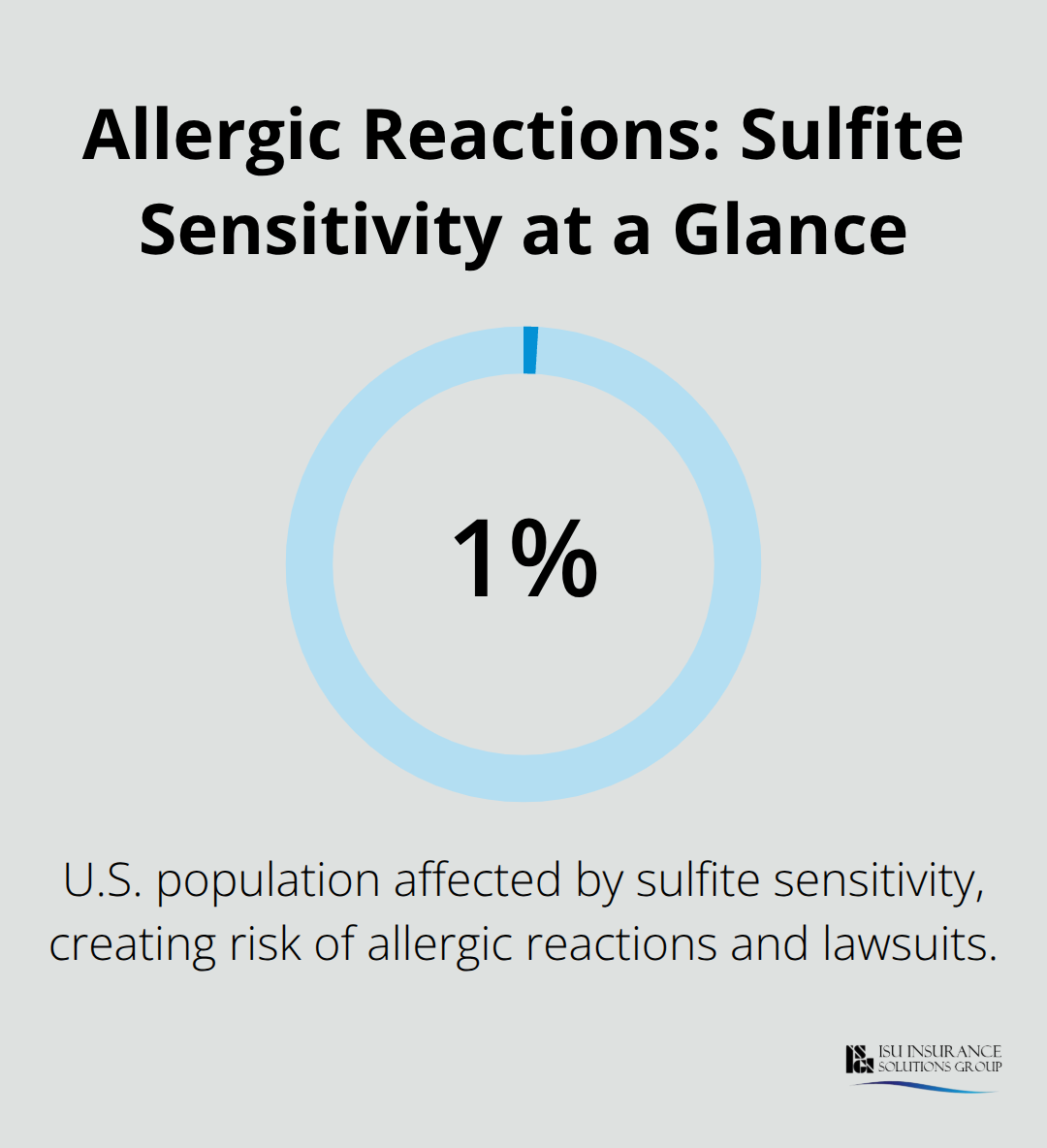
Tasting rooms attract foot traffic that most business owners underestimate as a liability source. A single visitor slip, allergic reaction to sulfites, or injury during a wine tour can trigger substantial legal defense costs and settlement demands. Woodinville alone hosts over 90 wineries and tasting rooms in close proximity, meaning your guests may visit multiple locations in one day-complicating liability questions if an injury occurs.

Liquor liability coverage isn’t optional here; it’s mandatory protection against claims from over-service or intoxicated patrons. Your standard commercial general liability policy almost certainly excludes alcohol-related claims entirely. Events amplify this exposure dramatically. When you host a harvest festival, wedding, or corporate tasting beyond your listed premises, your coverage often doesn’t extend there.

Equipment Failures Cost More Than Repairs

Equipment breakdown presents another hidden cost that standard policies ignore. A glycol chiller failure during fermentation season doesn’t just damage equipment; it can spoil an entire vintage’s worth of in-process wine. Your inventory sits in a state of constant vulnerability to fire, theft, and weather damage that standard property policies undervalue.

These policies don’t account for wine’s market price versus cost basis, leaving you exposed when loss occurs. Wine-specific coverage addresses this gap by valuing finished stock at selling price and in-process stock based on prior years’ valuations for the same varietal.

Why Specialized Winery Coverage Matters

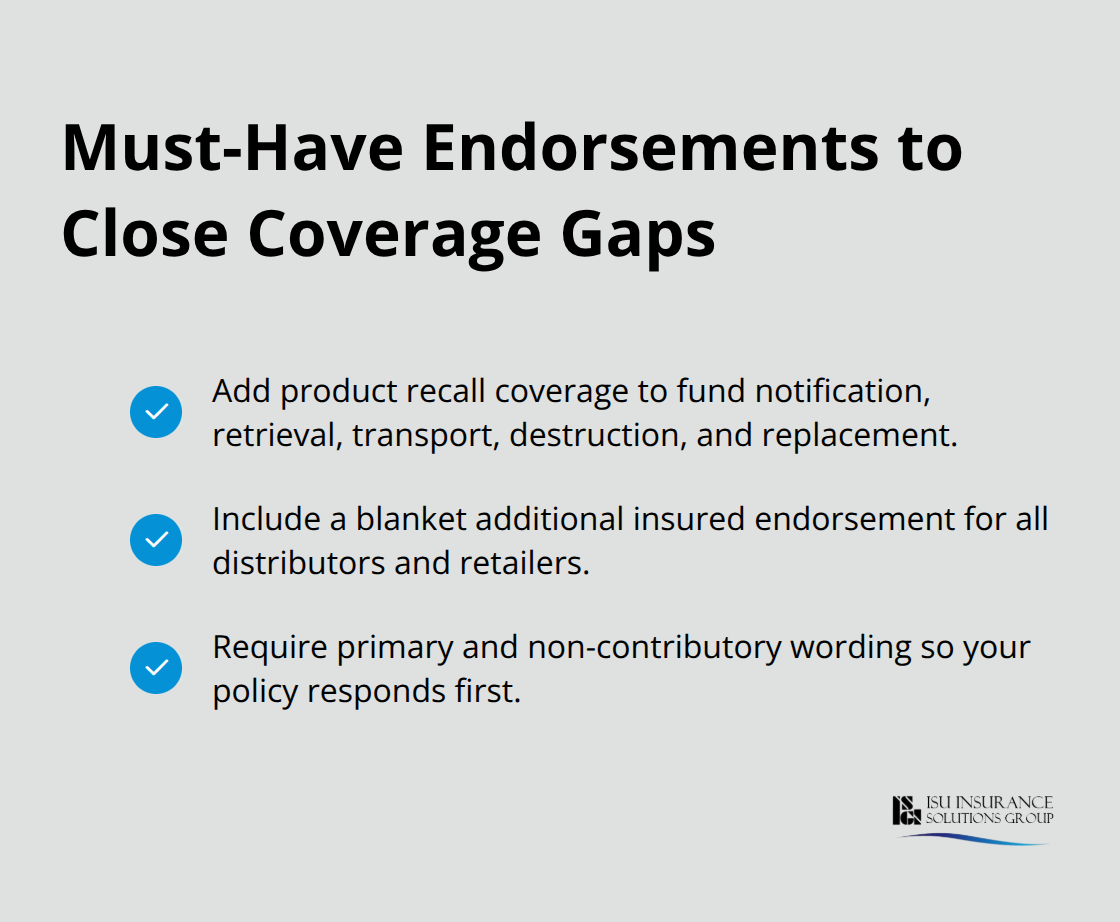
Standard commercial insurance treats wine like any other product inventory, but wine production combines agricultural risk with hospitality exposure in ways that require tailored protection. Your tasting room operations, production facility, and event hosting create overlapping liability and property exposures that a one-size-fits-all policy cannot address. The right winery insurance program integrates property protection, equipment breakdown, product contamination, leakage coverage, and business interruption into a coordinated plan designed specifically for wine operations.

Checklist of specialized coverages wineries should integrate. - Winery property insurance Washington

Understanding these gaps is the first step toward protecting your investment. The next chapter explores the essential coverage types that Washington wineries actually need to operate with confidence.

Essential Coverage for Washington Wineries

Building and Equipment Protection

Building and equipment protection forms the foundation of any winery insurance program, but standard property coverage won’t suffice. Your fermentation tanks, temperature-controlled storage systems, crush pads, and bottling equipment represent millions in specialized assets that require replacement-cost protection, not depreciated value. A 2023 rebuild index showed a 19% rise for insulated steel buildings in Skagit County alone, meaning reconstruction costs have outpaced general inflation.

Equipment breakdown coverage specifically protects against the failures that matter most. A glycol chiller malfunction during harvest season can spoil entire batches of wine worth tens of thousands of dollars. This coverage also reimburses emergency mobile bottling services if your primary equipment fails, keeping production moving rather than forcing a complete shutdown.

Wine in Transit and Inland Marine Coverage

Wine in transit requires separate inland marine coverage, particularly if you distribute to retailers, ship direct-to-consumer orders, or move inventory between facilities. Many wineries overlook this gap until a truck accident or theft occurs mid-shipment. Inland marine protection extends to movable property like tanks, barrels, and equipment during transport or offsite use.

Product Liability and Liquor Liability

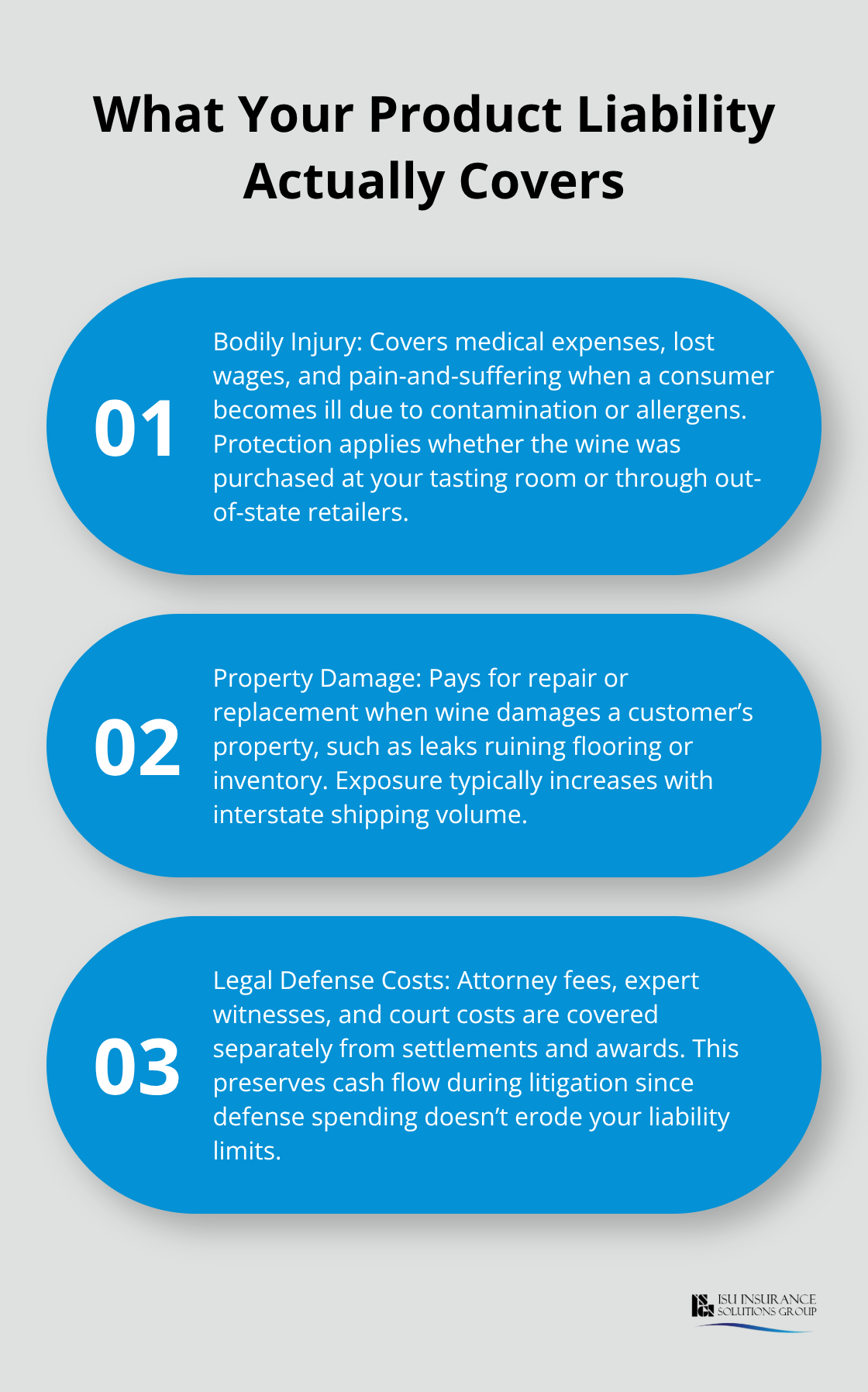
Product liability and liquor liability represent the second critical layer, and your exposure is substantially higher than a typical retail business. Washington’s modified dram-shop liability rules hold you accountable for injuries or accidents involving intoxicated patrons, even if they consumed alcohol elsewhere before visiting your tasting room. Liquor liability specifically covers claims from over-service, underage sales, or injuries tied to alcohol consumption on your premises.

General liability alone will not protect you here-your policy must explicitly include liquor liability coverage with adequate limits. A single slip-and-fall claim combined with liquor service allegations can exceed $100,000 in legal defense costs before settlement. Product liability covers contamination claims, defective bottles, or cork failures that affect wine quality. Wine contamination from cleaning agents, pesticides, or processing errors destroys product value instantly, and your coverage must address both the spoiled inventory and potential recall expenses.

Business Interruption and Loss of Income

Business interruption and loss of income protection recovers your revenue when a covered disaster forces operational shutdown. If a fire damages your production facility or a major equipment failure halts bottling for weeks, this coverage pays your ongoing fixed expenses and lost profits until operations resume. The Washington State Wine Commission reports that the average Washington winery crushes about 150 tons of fruit per harvest, with marquee brands exceeding 10,000 tons-meaning a production delay during peak season represents catastrophic lost revenue.

Coverage limits should reflect your seasonal inventory value, which spikes dramatically during harvest months when tanks and barrels are full. Establishing a wine stock valuation method with your insurer prevents disputes and guarantees full claims payout for lost wine. This approach protects raw materials, in-process stock, and finished goods across your entire operation.

Selecting Your Coverage Partner

An independent insurance agent with wine industry expertise can tailor a property and liability program that reflects your specific production schedule and tasting room operations rather than generic annual assumptions. ISU Insurance Solutions Group, a Woodinville-based independent agency serving Washington and Oregon since 1983, partners with 20+ carriers to design winery coverage that addresses your unique exposures. The right agent helps you avoid underinsurance while keeping premiums competitive-a critical balance that protects both your assets and your bottom line.

Finding the Right Winery Insurance Partner

Choosing an insurance provider for your winery isn’t about picking the cheapest quote or the biggest national brand. It’s about finding someone who understands Washington wine production well enough to anticipate risks you haven’t considered yet. Most independent insurance agents treat wineries like restaurants or retail shops, missing critical exposures tied to fermentation, temperature control, seasonal inventory spikes, and wine-specific contamination. The agent who asks detailed questions about your crush schedule, tank configurations, and event hosting patterns will deliver better coverage than one who simply plugs your square footage into a generic commercial policy. Wine industry expertise isn’t a nice-to-have feature; it’s the foundation of adequate protection.

Seek Agents with Wine Industry Specialization

Start with agents who specialize in agricultural and beverage operations, not generalists who handle wineries as a side business. When an agent asks about your production methods, wine valuation approach, and seasonal staffing, that signals they’ve worked with other Washington wineries and understand the operational rhythms that drive your insurance needs. An agent experienced with wine operations knows that your equipment breakdown exposure peaks during harvest, that your liability profile changes when you host events, and that your inventory value fluctuates dramatically between seasons.

Compare Multi-Carrier Quotes for Better Coverage

Request quotes from multiple carriers through a single agent rather than contacting dozens of insurers individually. This approach eliminates legwork while ensuring you compare actual apples-to-apples coverage structures rather than different policy designs that appear cheaper on the surface but leave gaps when claims occur. Different insurers excel in different areas-one carrier might offer superior equipment breakdown protection while another provides more competitive liquor liability rates. A multi-carrier approach exposes you to options that a single-carrier agent cannot match.

Prioritize Local Washington Agent Support

Local agent support in Washington carries real value beyond convenience. A Washington-based agent understands regional wildfire exposure, knows how local jurisdictions interpret liquor liability rules, and navigates Washington State Liquor and Cannabis Board requirements without delay. When a covered loss occurs-whether equipment failure during harvest or a guest injury at a tasting event-you need someone who picks up the phone and understands your business immediately, not a claims handler in a distant call center working from a generic file.

An agent familiar with Washington’s wine operations also connects you with risk management resources, helps you understand seasonal coverage adjustments, and advocates on your behalf during claims negotiations. This local expertise transforms your insurance relationship from a transactional interaction into a partnership that protects your operation year-round.

Final Thoughts

Protecting your Washington winery requires more than a standard commercial policy and hope that coverage materializes when disaster strikes. Winery property insurance in Washington demands specialized attention to fermentation equipment, seasonal inventory spikes, tasting room liability, and production-specific contamination risks that generic policies systematically ignore. The wineries that operate with confidence invested time upfront to understand their actual exposures and secured coverage designed specifically for wine operations.

Contact an independent insurance agent who specializes in wine operations rather than treating wineries as a side business. Request multi-carrier quotes that expose you to different coverage structures and pricing options, and prioritize local Washington agent support so you work with someone who understands regional wildfire exposure, liquor liability rules, and the seasonal rhythms that drive your insurance needs. ISU Insurance Solutions Group, a Woodinville-based independent agency serving Washington and Oregon since 1983, partners with 20+ carriers to design winery coverage tailored to your specific production methods and tasting room operations.

One call to a local agent delivers multi-carrier quotes and personalized guidance without the legwork of contacting dozens of insurers individually. When a covered loss occurs, you need someone who picks up the phone and understands your business immediately, not a distant claims handler working from a generic file. That partnership transforms your insurance relationship from a transactional interaction into genuine protection for your winery investment.

The information provided in this blog is for general informational purposes only and does not constitute legal, financial, or insurance advice. Coverage options, terms, and availability may vary. Please consult with a licensed professional for advice specific to your situation.